Vitamins for Skin
Looking great starts with looking after your skin. Browse our full range of vitamins and supplements designed to build and maintain healthy skin.
Don't forget to check out our cost-effective vitamin supplements with our Vitamins for Hair and Nails ranges.
6 Results

Shop Vitamins for Skin at Myprotein
Your skin is your body's largest organ, and skin vitamins play a key role in supporting its structure and appearance. From vitamin C's involvement in collagen formation to zinc's contribution to normal skin maintenance, these nutrients work together at a cellular level. Whether you're looking for targeted formulas or individual nutrients, vitamins for skin offer a convenient way to complement your skincare routine from the inside out.
At Myprotein, we've developed a range of skin vitamin supplements designed to fit seamlessly into your daily routine. Our collection includes everything from standalone nutrients to comprehensive complexes, all rigorously tested for quality and purity. Each product is crafted by our expert nutritionists to deliver the vitamins your skin needs in easy-to-take formats, whether you prefer capsules, softgels, or powders.
Who These Are For
Vitamin supplements for skin are designed for anyone looking to support their skincare regime with targeted nutrition. They're particularly popular among those following restrictive diets, experiencing seasonal changes, or simply wanting to ensure they're getting adequate levels of skin-supporting nutrients. From fitness enthusiasts to busy professionals, these supplements fit into diverse lifestyles and wellness goals.
Many people incorporate skin vitamins alongside their existing skincare routines, recognising that what you put into your body matters just as much as what you apply topically. Whether you're new to supplementation or looking to refine your existing stack, these products offer flexible options to match your individual nutritional needs and preferences.
When to Use Vitamins for Skin
Most skin vitamin supplements work best when taken consistently as part of your daily routine. Many people find it easiest to take them with breakfast or their first meal of the day, which can aid absorption of fat-soluble vitamins like vitamin D and vitamin E. However, the specific timing often depends on the individual product format and your personal schedule.
Consistency matters more than exact timing. Whether you prefer morning or evening supplementation, establishing a regular pattern helps ensure you're maintaining steady nutrient levels. Some people split their dosage throughout the day, whilst others prefer a single serving. Check individual product labels for specific guidance, and choose a schedule that fits naturally into your lifestyle.
Vitamins for Skin Benefits
Collagen Formation Support
Vitamin C contributes to normal collagen formation for the normal function of skin.1 Collagen is a structural protein that provides the framework for skin tissue. By ensuring adequate vitamin C intake through supplementation, you're supporting the body's natural collagen synthesis processes that occur continuously throughout the day.
Skin Maintenance
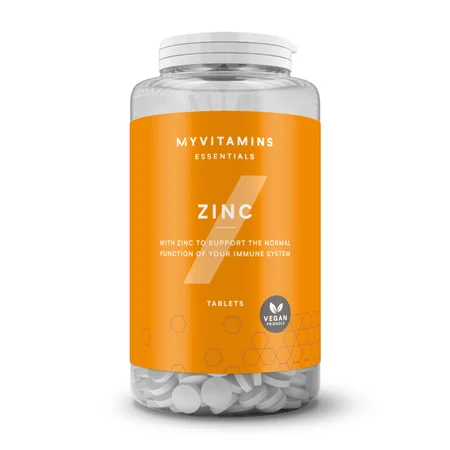
Several nutrients play authorised roles in skin maintenance. Vitamin A contributes to the maintenance of normal skin,2 whilst zinc contributes to the maintenance of normal skin3 and riboflavin contributes to the maintenance of normal skin.4 These vitamins work through different mechanisms but share the common benefit of supporting normal skin structure and function.
Protection from Oxidative Stress
Vitamins C, E, riboflavin, and zinc all contribute to the protection of cells from oxidative stress.5 Free radicals from environmental factors like UV exposure and pollution can affect cellular health, making antioxidant nutrients an important consideration for those looking to support their skin from within.
Mucous Membrane Support
Vitamin A contributes to the maintenance of normal mucous membranes,6 which includes the epithelial layers that form part of skin tissue. This often-overlooked benefit highlights how certain vitamins support not just visible skin but also the underlying structures that contribute to overall skin health.
Popular Picks
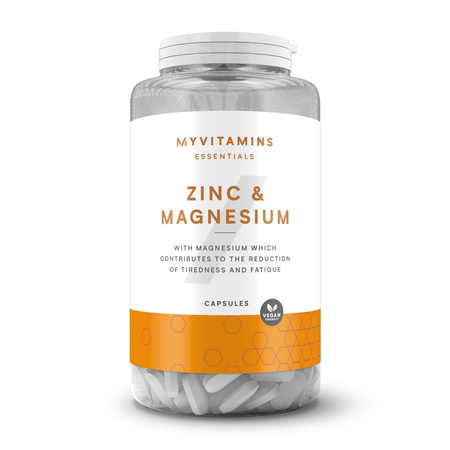
Need a comprehensive mineral blend? Maca Capsules combine these two popular ingredients in capsule form, offering a straightforward way to add these compounds to your daily regimen alongside your skin-focused supplements.
FAQs
What are skin vitamins?
Skin vitamins are nutrients that have authorised roles in supporting normal skin function and structure. These include vitamin C, which contributes to normal collagen formation for the normal function of skin,1 vitamin A, which contributes to the maintenance of normal skin,2 and zinc, which also contributes to the maintenance of normal skin.3 Additional nutrients like riboflavin and vitamin E support skin through various mechanisms, including protection of cells from oxidative stress.5
These vitamins work at a cellular level, supporting processes like protein synthesis, cellular repair, and antioxidant defence. Many people choose to supplement these nutrients to ensure they're meeting their daily requirements, particularly if their diet is restricted or they have increased nutritional needs.
How do I choose the best vitamins for skin?
The best vitamins for skin depend on your individual nutritional status and goals. Consider whether you want a comprehensive multivitamin or targeted individual nutrients. Vitamin C is essential for collagen formation,1 whilst zinc and vitamin A both contribute to the maintenance of normal skin.2,3 Some people prefer combining nutrients like zinc and magnesium for broader mineral support.
Look for products that clearly state their vitamin content per serving, and choose formats that suit your lifestyle—whether that's capsules, softgels, or powders. Quality indicators include third-party testing, clear ingredient lists, and brands with established reputations in nutritional science.
Can I take multiple skin vitamin supplements together?
Many people combine different vitamin supplements as part of their wellness routine. For example, you might take vitamin C for collagen formation support1 alongside zinc for skin maintenance3 and vitamin D for immune function.9 However, it's important to check the total amounts you're consuming from all sources to avoid exceeding recommended upper limits for any single nutrient.
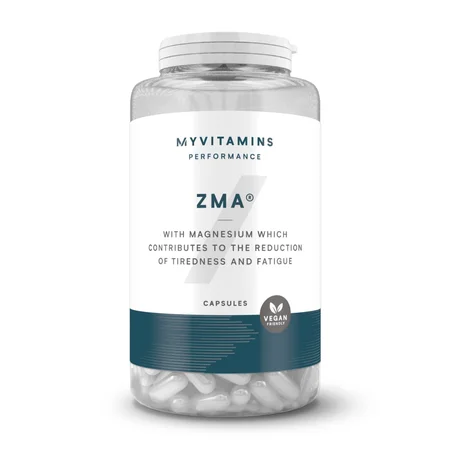
Some formulas already combine complementary nutrients, like ZMA (zinc, magnesium, and vitamin B6), which can simplify your supplement routine. Always read product labels carefully and consider consulting a healthcare professional if you're taking multiple supplements or have specific health considerations.
When should I take skin vitamin supplements?
Most skin vitamin supplements can be taken at any time of day, though fat-soluble vitamins (A, D, E, and K) are often better absorbed when taken with food containing some fat. Water-soluble vitamins like vitamin C and B vitamins can be taken with or without food, though some people find taking them with meals reduces potential stomach discomfort.
Consistency matters more than specific timing. Choose a schedule that works for your routine—whether that's with breakfast, lunch, or dinner—and stick with it. This helps ensure you're maintaining steady nutrient levels and makes it easier to remember your supplements as part of your daily wellness habits.
What's the difference between individual vitamins and complexes?
Individual vitamin supplements contain a single nutrient, like vitamin C or vitamin D3, allowing you to target specific nutritional needs with precision. Complexes combine multiple vitamins and sometimes minerals in one formula, offering convenience if you're looking to support several functions simultaneously. For example, a B-complex might include B vitamins that contribute to normal energy-yielding metabolism and reduction of tiredness and fatigue.11
Individual supplements give you more control over dosages and let you avoid nutrients you're already getting adequately from diet or other supplements. Complexes simplify your routine by reducing the number of capsules or tablets you need to take daily. Your choice depends on your specific nutritional gaps and personal preferences.
Do skin vitamins come in different formats?
Yes, skin vitamin supplements are available in various formats to suit different preferences. Capsules and tablets are the most common, offering precise dosing and portability. Softgels work well for fat-soluble vitamins like vitamin D and vitamin E, as they're suspended in oil for better absorption. Some vitamins also come in powder form, which can be mixed into drinks or smoothies for those who prefer not to swallow capsules.
Each format has its advantages. Capsules dissolve quickly, softgels are easy to swallow, and powders offer flexible dosing. Consider your lifestyle, any swallowing difficulties, and whether you prefer taking supplements with food or drinks when choosing your format.
How long do skin vitamin supplements last?
Unopened skin vitamin supplements typically last 18-24 months when stored in cool, dry conditions away from direct sunlight. Once opened, most products remain stable for the duration stated on the label, provided you keep them sealed between uses and store them properly. Softgels may have slightly shorter shelf lives than tablets due to their oil-based composition.
Always check the expiry date before purchase and periodically review your supplement cupboard to ensure you're using products within their optimal timeframe. Proper storage—away from heat, moisture, and light—helps maintain potency throughout the product's shelf life.
Who develops Myprotein's skin vitamin formulas?
Myprotein's skin vitamin supplements are developed by our expert nutritionists, who combine scientific research with practical understanding of how nutrients support normal body functions. Our team stays current with evolving nutritional science and EU health claim regulations to create products that deliver authorised benefits whilst meeting rigorous quality standards.
Each formula undergoes thorough testing for purity and potency before reaching you. We prioritise transparency in our ingredient sourcing and manufacturing processes, ensuring you know exactly what you're getting in every capsule, softgel, or serving of powder.
What nutrients support collagen formation?
Vitamin C is the key nutrient that contributes to normal collagen formation for the normal function of skin,1 blood vessels, bones, cartilage, gums, and teeth. This water-soluble vitamin acts as a cofactor in the enzymatic processes that create and stabilise collagen molecules. Without adequate vitamin C, collagen synthesis cannot proceed normally.
Whilst vitamin C is essential for collagen formation, other nutrients support the broader processes of skin health. Zinc contributes to normal protein synthesis,12 which includes all proteins in the body, whilst vitamin A contributes to the maintenance of normal skin2 through different mechanisms. A balanced approach to nutrition supports the complex interplay of processes that maintain skin structure.
Can vitamins for skin help with antioxidant protection?
Several vitamins contribute to the protection of cells from oxidative stress,5 which is their authorised role in antioxidant defence. Vitamin C, vitamin E, riboflavin, and zinc all carry this specific health claim. Oxidative stress occurs when free radicals overwhelm the body's natural antioxidant defences, potentially affecting cellular components including lipids, proteins, and DNA.
These antioxidant vitamins work through different mechanisms—vitamin E protects cell membranes, vitamin C works in aqueous environments, and minerals like zinc form parts of antioxidant enzymes. Together, they contribute to the body's multi-layered defence system against oxidative damage, which can affect all tissues including skin.
1. Vitamin C contributes to normal collagen formation for the normal function of skin.
2. Vitamin A contributes to the maintenance of normal skin.
3. Zinc contributes to the maintenance of normal skin.
4. Riboflavin contributes to the maintenance of normal skin.
5. Vitamin C, vitamin E, riboflavin, and zinc contribute to the protection of cells from oxidative stress.
6. Vitamin A contributes to the maintenance of normal mucous membranes.
7. Magnesium contributes to normal protein synthesis.
8. Vitamin B6 contributes to normal protein and glycogen metabolism.
9. Vitamin D contributes to the normal function of the immune system.
10. Vitamin D has a role in the process of cell division.
11. Riboflavin contributes to the reduction of tiredness and fatigue.
12. Zinc contributes to normal protein synthesis.