Weightlifting Equipment
Get the most from every rep and set with our range of gym equipment essentials.
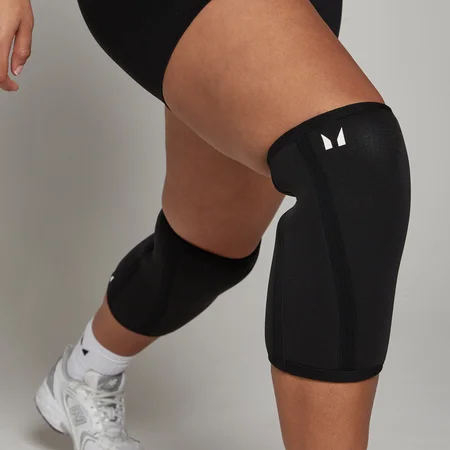
From weightlifting gloves and belts, to knee supports and wrist wraps, we’re on hand to help you stay injury-free and on form to reach your goals.
If you’re looking for accessories to help boost your home workouts — try our Grip Strengthener, great for challenging yourself, wherever you are.
We’ve also got the right tools to help you support your body through a tough training regime, including Hot & Cold Gel Packs and Recovery Balls.
17 Results


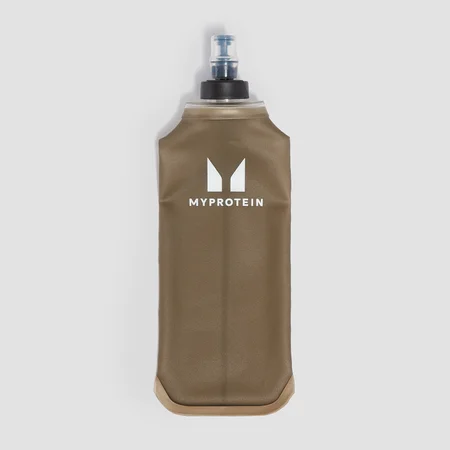
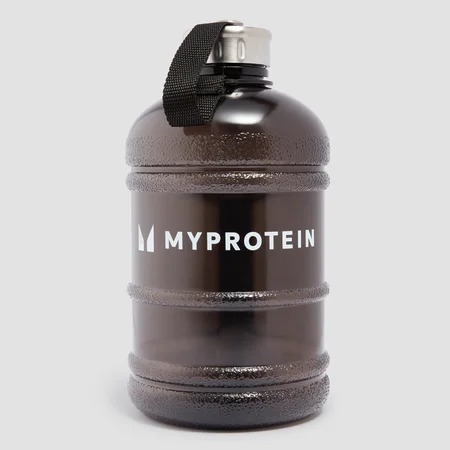
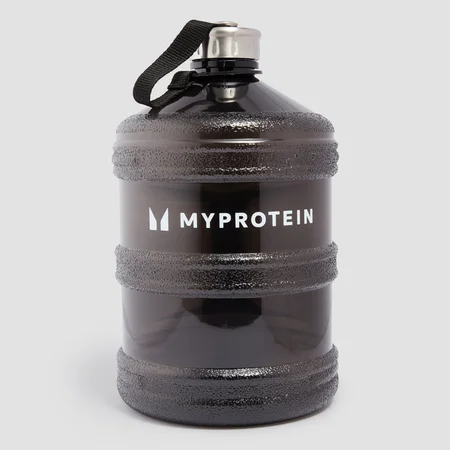
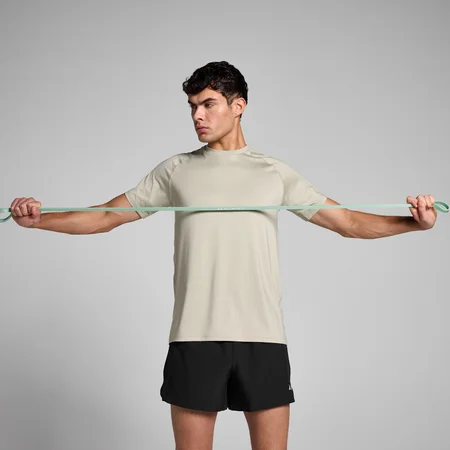
Shop Weightlifting Equipment at Myprotein
Whether you're pulling heavy deadlifts or pressing overhead, the right weightlifting equipment makes a real difference to how you train. From leather lifting belts that keep your spine braced under load to elbow sleeves that provide joint support during pressing movements, gym accessories built for the barbell deserve the same attention as the weights themselves.
Myprotein's weightlifting gear is designed around what actually happens in the gym — the demands of heavy compound lifts, repeated sessions, and the need for kit that holds up over time. This range covers the lifting accessories that serious athletes reach for every training day.
Who Weightlifting Equipment Is For
Weightlifting equipment is built for anyone who trains with a barbell or dumbbells regularly — from those stepping into strength training for the first time to experienced lifters managing higher volumes and heavier loads. If you're working on squats, deadlifts, cleans, or overhead pressing, the right training accessories keep your sessions consistent and your joints protected.
It's also the kind of kit that suits gym-goers who take progression seriously. When you're adding weight to the bar week on week, having a quality lifting belt, reliable joint support, and the right accessories around your training isn't optional — it's part of the process.
When to Use Weightlifting Equipment
Most weightlifting accessories are intended for use during your actual training session. A lifting belt, for example, is best reserved for your heaviest working sets rather than worn throughout an entire session — this way it does its job when the load demands it most. Elbow sleeves are typically worn during pressing movements or any exercise where joint warmth and compression are useful.
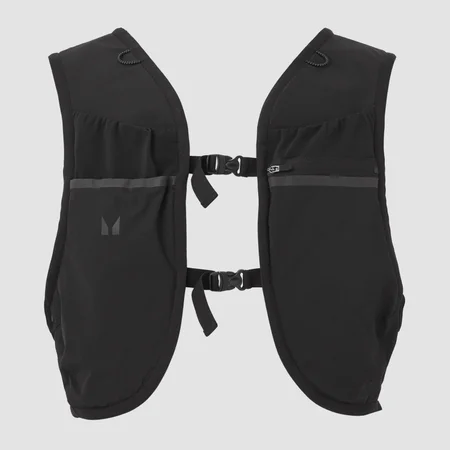
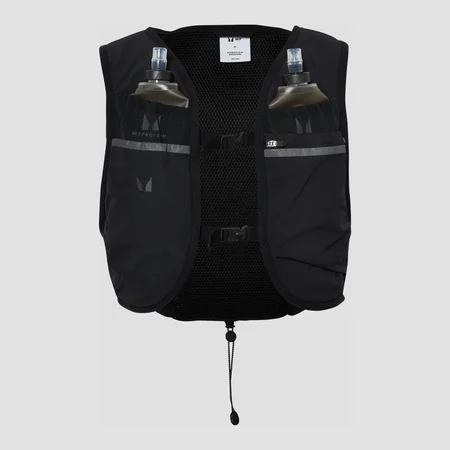
A hydration vest comes into its own during longer training sessions, outdoor conditioning work, or endurance-based activity where carrying fluids hands-free matters. Shakers are a straightforward pre- or post-session tool for mixing your protein or pre-workout wherever you are — at the gym, on the way, or straight after.
Weightlifting Equipment Benefits
Bracing and Spinal Support During Heavy Lifts
A quality leather lifting belt provides a rigid surface for your core to brace against during maximal compound movements. This is particularly relevant on squats and deadlifts, where intra-abdominal pressure plays a key role in keeping your torso stable under load.
Joint Protection During Pressing Movements
Elbow sleeves wrap the joint in compression that helps retain warmth and reduce unwanted movement during pushing and pulling exercises. For lifters who train frequently or work with heavier weights, this kind of support around the elbow is a practical part of their kit.
Hydration on the Move
A hydration vest takes water out of your hands and onto your back, which matters during outdoor conditioning sessions, runs, or longer training blocks where you need to keep moving. Hands-free hydration is a simple upgrade that keeps your focus on the work.
Convenient Nutrition Preparation
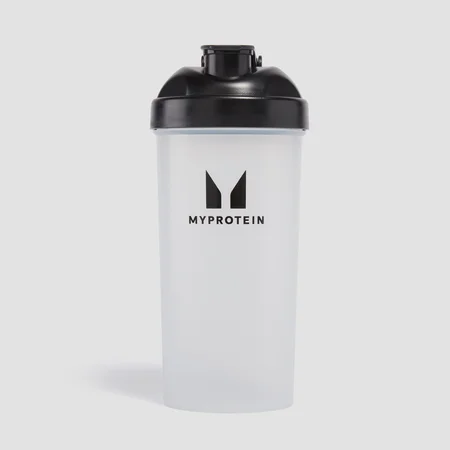
Shakers are a gym bag staple for a reason — they let you mix and take your protein or other powders wherever your session takes you. Whether you prefer a full-size shaker for a larger serving or a compact mini version for travel, having the right vessel means your nutrition is ready when you are.
Popular Picks
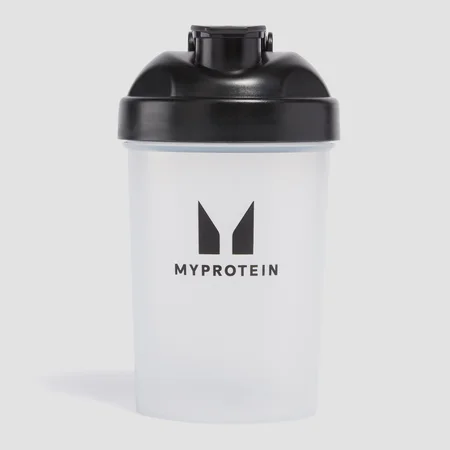
Need hands-free hydration for outdoor training? MP Hydration Vest - Black - The smaller-format version of the classic shaker, designed for single servings and easy packing. Ideal for taking to the gym, the office, or anywhere you need your nutrition on the go.
FAQs
What weightlifting equipment do I actually need as a beginner?
Starting out, the most useful pieces of weightlifting gear tend to be a lifting belt for heavy compound work and a reliable shaker for your post-session nutrition. Elbow sleeves become more relevant as your pressing volume increases. You don't need everything at once — build out your kit as your training demands evolve.
When should I start using a lifting belt?
A lifting belt is most useful once you're handling weights that genuinely challenge your core stability — typically on compound movements like squats and deadlifts. It's not something to rely on for every set, but on your heaviest working sets it provides a firm surface for your core to brace against under load.
What's the difference between a leather and nylon lifting belt?
Leather belts are generally stiffer and more rigid, which provides a very solid brace during maximal lifts. They tend to be the preference for powerlifting-style training. Nylon belts are more flexible and often more comfortable for dynamic movements or those newer to using a belt. A leather lifting belt like the one in this range is built for serious barbell work.
Do elbow sleeves make a difference during training?
Elbow sleeves provide compression around the joint and help retain warmth during pressing, pulling, and overhead movements. Many lifters who train frequently find them useful for keeping the elbow joint comfortable across higher-volume sessions. They're a simple addition to your training accessories lineup that can make a noticeable difference over time.
What's a hydration vest used for in weightlifting and gym training?
A hydration vest is particularly useful for conditioning sessions, outdoor runs, or longer training blocks where carrying a water bottle isn't practical. It keeps water accessible without occupying your hands, making it a natural fit for circuit training, trail running, or event preparation. It's a versatile piece of gym kit beyond the weight room.
How do I choose the right shaker size?
Full-size shakers work well for standard protein shake servings and are the better choice if you're mixing larger volumes or adding multiple ingredients. The mini plastic shaker is a better fit for travel, smaller single-serve portions, or keeping things compact in your gym bag. Both mix cleanly and are built to be leak-resistant.
Can weightlifting accessories be used for general gym training, not just Olympic lifting?
Absolutely. Most lifting accessories — belts, elbow sleeves, and shakers — are just as relevant for general strength training, bodybuilding, or CrossFit-style workouts as they are for Olympic weightlifting. The common thread is barbell-based training and the need for joint support, stability, and practical nutrition preparation.
Who designs Myprotein's weightlifting equipment?
Myprotein's weightlifting gear and training accessories are developed by Myprotein's expert team, drawing on the needs of everyday gym-goers and serious athletes alike. The goal is kit that performs in real training environments — not just on paper.
How should I care for a leather lifting belt to make it last?
Keep your leather lifting belt away from prolonged moisture and store it flat or loosely rolled when not in use. Wipe it down after heavy sessions and allow it to dry naturally. A well-maintained leather belt can last for years of consistent training with the right basic care.
Are these gym accessories suitable for both men and women?
Yes — the weightlifting equipment in this range, including the elbow sleeves, is designed to be unisex. The elbow sleeves come in multiple sizes to suit different arm dimensions, and the lifting belt is built for anyone who trains with heavy barbell movements regardless of gender.