Products
6 Results
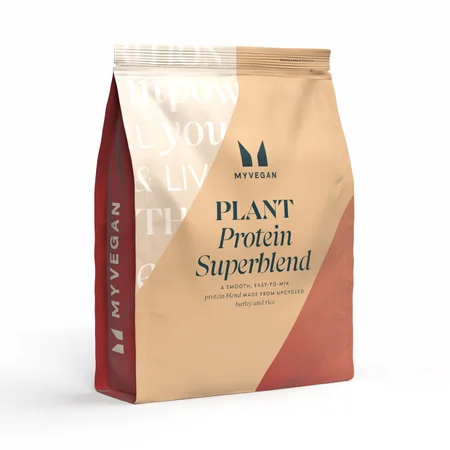
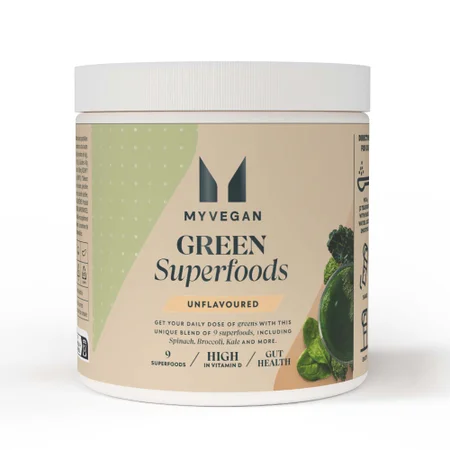
Shop Vegan Protein at Myprotein
Plant-based eating doesn't mean compromising on your protein goals. Vegan protein powders deliver complete amino acid profiles from pea, soy, rice and other plant sources, making them just as effective as whey for anyone wanting to hit their daily protein targets without animal products.
Whether you're fully plant-based or simply looking to diversify your protein sources, these supplements fit seamlessly into shakes, smoothies and recipes. From isolates to blends, the range covers everything from fast-absorbing formulas to nutrient-dense superfood combinations.
Who Vegan Protein Is For
Anyone following a vegan or vegetarian diet can use these to meet their protein requirements without relying solely on whole foods. They're particularly useful for athletes and gym-goers who need higher protein intakes but want to avoid dairy and animal-derived ingredients.
Plant protein supplements also work well for people with lactose intolerance or dairy sensitivities. The variety of formats and flavours means there's something suitable whether you prefer a quick shake after training or a more substantial smoothie bowl.
When to Use Vegan Protein
Post-workout is a popular choice, giving your muscles access to amino acids when they need them most. Many people also use plant protein powders at breakfast to boost the protein content of porridge, pancakes or morning smoothies.
They're equally useful as a snack between meals or before bed. Because they come in powder form, you can adjust serving sizes based on your daily targets and mix them into virtually anything from coffee to baked goods.
Vegan Protein Benefits
Complete Amino Acid Profiles
Modern vegan protein blends combine multiple plant sources to deliver all nine essential amino acids. Protein contributes to the growth and maintenance of muscle mass1, making these formulas just as effective as dairy-based options for supporting your training goals.
Naturally Lower in Saturated Fat
Plant-based proteins typically contain minimal saturated fat compared to some animal sources. This makes them a smart choice if you're mindful of your overall fat intake while still prioritising protein.
Easy to Digest
Many people find plant proteins gentler on their digestive system than whey, particularly isolates that have been refined to remove fibre and complex carbohydrates. Pea and soy proteins are particularly well-tolerated.
Versatile Formats
From clear, refreshing drinks to creamy shakes and nutrient-packed superblends, vegan protein supplements come in formats to match different preferences and recipes. This variety makes it easy to stick with plant-based protein long-term.
Popular Picks
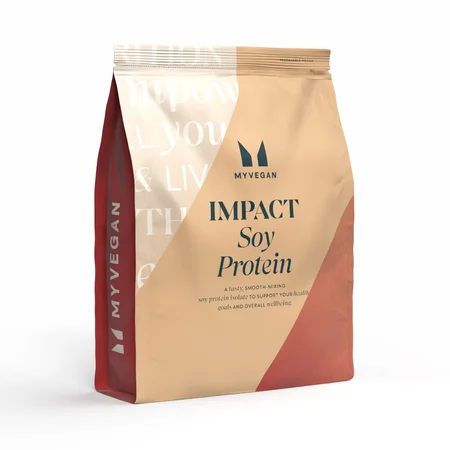
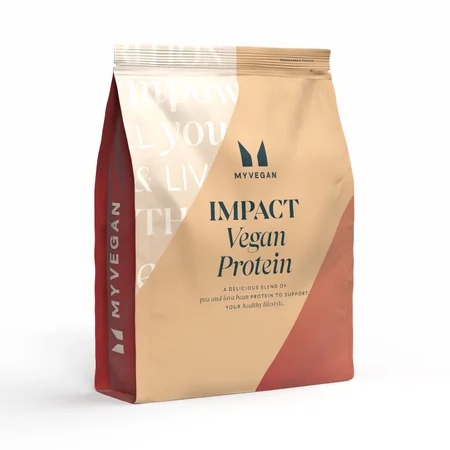
Looking for a pure, single-source option? Impact Soy Protein goes beyond basic protein by including hemp, chia, flaxseed and spirulina alongside pea and brown rice protein, creating a nutrient-dense formula with naturally occurring vitamins and minerals.
FAQs
What is vegan protein powder?
Vegan protein powder is a supplement made entirely from plant sources rather than dairy or animal products. Common ingredients include pea, soy, rice, hemp and other plant proteins that have been processed to increase their protein concentration.
These powders can be isolates (highly refined to contain mostly protein) or blends that combine multiple plant sources to create a more complete amino acid profile. They're designed to mix into liquids or recipes just like traditional whey protein.
How does plant protein compare to whey?
Both plant and whey proteins can effectively contribute to muscle growth and maintenance when consumed as part of a balanced diet. Protein contributes to the growth and maintenance of muscle mass1 regardless of whether it comes from plants or dairy.
The main differences lie in digestion speed, taste and dietary suitability. Whey is absorbed slightly faster, whilst plant proteins are suitable for vegans and those avoiding dairy. Modern vegan protein blends match whey's amino acid profile by combining complementary plant sources.
Which vegan protein powder should I choose?
If you want maximum protein per serving with minimal other ingredients, choose an isolate like pea or soy protein. These typically provide 20-27g protein per scoop with very little fat or carbohydrate.
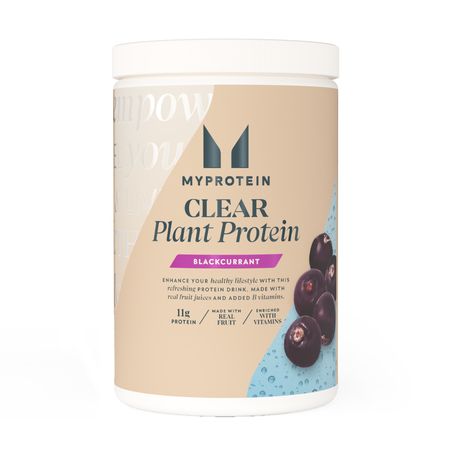
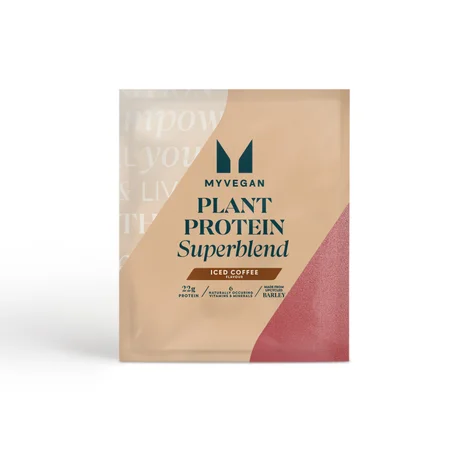
For a more balanced amino acid profile, opt for a blend that combines different plant sources. If you prefer lighter, refreshing drinks over creamy shakes, try a clear vegan protein. Those wanting additional nutrients beyond protein might prefer a superblend with added seeds and greens.
How do I use vegan protein supplements?
Most people mix one scoop (typically 25-30g) with 200-300ml of water, plant milk or juice. Shake in a bottle or blend for a smoother consistency. The powder can also be stirred into porridge, yoghurt or used in baking recipes.
Timing depends on your routine. Many use it post-workout, at breakfast or as a snack between meals. There's no magic window, it's simply about hitting your daily protein target across the day.
Are these suitable if I'm not fully vegan?
Absolutely. Plant-based protein powders work for anyone, regardless of whether they follow a vegan diet. Many people use them to vary their protein sources, manage dairy intake or simply because they prefer the taste and digestibility of certain plant proteins.
They're particularly useful for anyone with lactose intolerance or milk allergies who still wants a convenient protein supplement option.
What's the difference between protein isolate and protein blend?
Isolates are highly refined to contain mostly protein with minimal carbohydrate and fat, typically 80-90% protein by weight. They're made from a single plant source like pea or soy that has been processed to remove nearly everything except the protein.
Blends combine multiple plant proteins (like pea, rice and hemp) to create a more varied amino acid profile. They may be slightly lower in protein percentage but offer the benefits of different plant sources in one formula.
Who develops Myprotein's vegan protein range?
All formulas are developed by Myprotein's expert nutritionists who specialise in sports nutrition and plant-based supplements. They work to create effective blends and isolates that match the protein quality of dairy-based options whilst remaining completely vegan-friendly.
The range is continually refined based on customer feedback and nutritional research to ensure the formulas meet the needs of plant-based athletes and anyone looking for dairy-free protein sources.
Can I use vegan protein powder in cooking and baking?
Yes, vegan protein powders work well in various recipes beyond shakes. Add them to pancake batter, energy balls, protein bars, muffins or cookies to boost protein content. Neutral or vanilla flavours tend to be most versatile for cooking.
Keep in mind that heat can affect texture, so you may need to adjust liquid ratios in recipes. Start by replacing about a quarter of the flour in baked goods with protein powder and adjust from there based on results.
What makes soy protein different from pea protein?
Soy protein is one of the few plant proteins that naturally contains all nine essential amino acids in optimal ratios, similar to animal proteins. It's been used in supplements for decades and has a smooth texture when mixed.
Pea protein comes from yellow split peas and has become increasingly popular in recent years. Whilst it's lower in one or two amino acids compared to soy, it's rich in branched-chain amino acids and many people find it easier to digest. Both are complete proteins when part of a varied diet.
How much vegan protein powder should I take daily?
This depends entirely on your overall protein requirements, which vary based on body weight, activity level and goals. Protein contributes to the maintenance of muscle mass1, so those training regularly typically need more than sedentary individuals.
Most people use 1-2 servings (25-50g of powder) daily to supplement their protein intake from whole foods. Track your total daily protein from all sources rather than focusing only on supplements, and adjust serving sizes to meet your individual targets.
1. Protein contributes to a growth in muscle mass.