Diet Protein
Shop Protein at Myprotein
Protein is fundamental to your training goals, whether you're focused on building strength, improving body composition, or maintaining muscle during a calorie deficit. Available in formats from whey and casein to plant-based blends, protein supplements offer a practical way to meet your daily requirements without the prep time of whole food sources.
Our range includes options tailored to different nutritional strategies. Standard whey delivers fast-digesting protein post-workout, whilst diet formulas combine protein with added ingredients designed for those managing their calorie intake. Choose based on your macros, timing preferences, and whether you need a quick shake or a more sustained release.
Who Protein Supplements Are For
Protein supplements suit anyone struggling to hit their daily protein target through food alone. Strength athletes and bodybuilders typically need 1.6-2.2g per kilogram of body weight, which can mean 150g+ daily for larger individuals. Getting that from chicken and eggs alone gets repetitive fast.
They're equally useful if you're dieting. Protein is the most satiating macronutrient and preserves muscle mass during fat loss. A diet protein powder with added fibre and fewer calories per serving helps you stay on track without compromising your training performance or recovery nutrition.
When to Use Protein
Post-workout is the classic timing, when muscles are primed for nutrient uptake. A 20-40g serving within an hour of training provides amino acids during the recovery window. Fast-digesting whey is popular here, though research shows total daily protein matters more than precise timing for most people.
Many use protein between meals to maintain steady amino acid availability, or as a convenient breakfast when time is short. Casein before bed is another common approach, as it digests slowly overnight. Ultimately, consistency across the day beats obsessing over any single shake timing.
Protein Benefits
Supports Muscle Growth and Maintenance
Protein contributes to the growth and maintenance of muscle mass1, making it essential for anyone training with resistance. Adequate protein intake provides the amino acids your body uses to repair and build muscle tissue following training stimulus.
Convenient Macronutrient Source
A scoop of protein powder delivers 20-30g of protein in seconds, without cooking or meal prep. This convenience helps you hit daily targets consistently, especially during busy periods when preparing multiple high-protein meals isn't practical.
Versatile Across Diet Strategies
Whether you're bulking, cutting, or maintaining, there's a protein format that fits. Standard whey suits mass-gaining phases, whilst diet protein blends with lower calories and added fibre work for fat loss. Plant-based options accommodate vegan and vegetarian approaches.
Supports Bone Health
Protein contributes to the maintenance of normal bones2, working alongside calcium and resistance training to maintain skeletal strength as you age or increase training volume.
Popular Picks
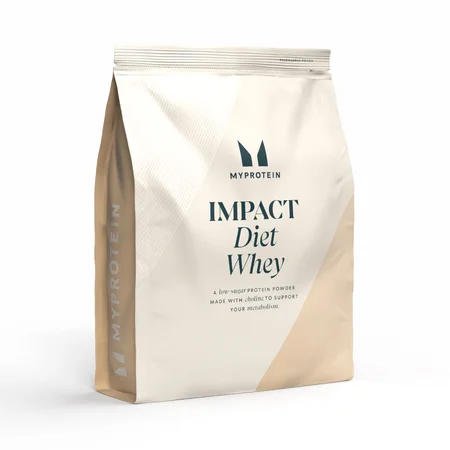
Looking for a diet whey protein? Impact Diet Whey features a protein matrix alongside added fibre and digestive enzymes, making it a complete solution for those tracking macros and managing hunger during a cut.
FAQs
What is protein powder?
Protein powder is a concentrated source of protein derived from milk (whey, casein), eggs, or plant sources like pea and soy. Manufacturing processes remove most carbohydrates and fats, leaving a product that's typically 70-90% protein by weight.
It's designed to supplement whole food protein sources, not replace them entirely. Most people use it as a convenient way to reach daily protein targets without consuming excessive calories from other macronutrients.
How is diet protein powder different from standard protein?
Diet protein powder typically contains added ingredients like fibre, green tea extract, or CLA, whilst maintaining lower calories per serving than standard whey. The protein content remains high, but the formula is optimised for those in a calorie deficit.
Standard protein focuses purely on delivering amino acids efficiently, making it suitable for mass-gaining or general supplementation. Diet formulas consider the broader context of fat loss, where managing hunger and metabolic support become relevant factors.
How much protein powder should I take daily?
This depends entirely on your total daily protein target and how much you're getting from food. If you need 150g protein daily and get 100g from meals, a single 25g shake might suffice. Someone eating less whole food protein might use two or three servings.
Most research suggests 1.6-2.2g per kilogram of body weight daily for muscle maintenance and growth during training. Use protein powder to bridge the gap between your food intake and this target, rather than following a fixed scoop recommendation.
When should I take protein powder for weight loss?
Timing matters less than total daily intake when fat loss is the goal. Protein helps preserve muscle during a calorie deficit and has the highest thermic effect of all macronutrients, meaning your body burns more calories digesting it.
Many find a protein shake useful between meals to manage hunger, or as a lower-calorie breakfast alternative. Some prefer it post-workout to ensure recovery nutrition without breaking their calorie budget. Experiment to find what keeps you consistent with your deficit.
Can I use protein powder on a low-calorie diet?
Yes, protein powder is particularly useful during calorie restriction. It provides a concentrated dose of protein with minimal carbohydrates and fats, helping you meet protein targets without using up your limited calorie allowance on other macros.
Choose a diet protein blend if you want added fibre or metabolic support ingredients. Standard whey isolate works well too if you simply need pure protein with the lowest possible calories per serving.
What's the difference between whey protein and diet protein blend?
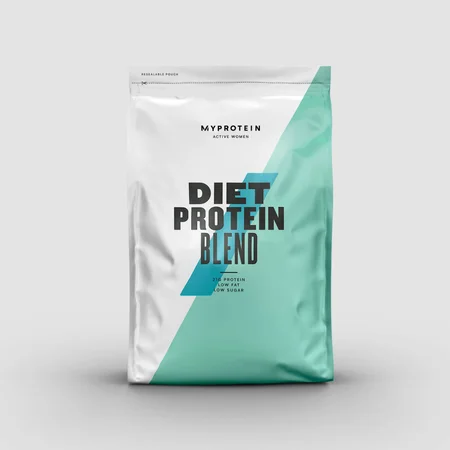
Whey protein is a single-source, fast-digesting protein derived from milk. It's absorbed quickly, making it popular around training. Diet protein blend typically combines multiple protein sources (whey, casein, egg) for varied digestion rates, plus added ingredients targeting fat loss contexts.
If your only goal is meeting protein requirements efficiently, whey is straightforward. If you're in a deficit and want additional support from fibre or other compounds, a diet blend offers a more comprehensive formula.
Is protein powder suitable for vegans?
Plant-based protein powders made from pea, rice, hemp, or soy are widely available and provide complete amino acid profiles when blended correctly. They work identically to animal-based proteins for muscle maintenance and growth, though some have different textures or tastes.
Check labels carefully, as some "vegetarian" proteins contain milk derivatives. Look for explicitly vegan-certified options if you're avoiding all animal products.
Who develops Myprotein's protein formulas?
Myprotein's expert nutritionists develop all formulas, working with food scientists and quality assurance teams to create products that meet specific training and dietary needs. Formulations are regularly reviewed based on emerging research and customer feedback.
How do I choose between different protein types?
Start with your dietary context. If you're cutting, a diet protein powder with added fibre makes sense. If you're bulking or maintaining, standard whey or a protein blend works well. Those with lactose sensitivity should consider isolate or plant-based options.
Consider convenience too. Whey mixes quickly for a simple shake. Blends digest more slowly, which some prefer between meals. Plant proteins suit vegan diets. There's no single "best" choice, just what aligns with your macros and preferences.
Can protein powder replace meals?
Protein powder is a supplement, not a meal replacement. Whilst you can use it as a quick breakfast or snack, whole foods provide fibre, micronutrients, and satiety that a basic protein shake doesn't match.
Some diet protein blends include added vitamins and fibre to make them more meal-like, but even these work best alongside a varied diet of whole foods. Use protein powder to supplement your nutrition, not substitute proper meals long-term.
1. Protein contributes to a growth in muscle mass.
2. Protein contributes to the maintenance of normal bones.