Energy Gels
Check out our energy gels for a super-convenient way to boost your carbohydrate intake during prolonged endurance exercise. They can be consumed on the go, so you barely have to stop training!
2 Results
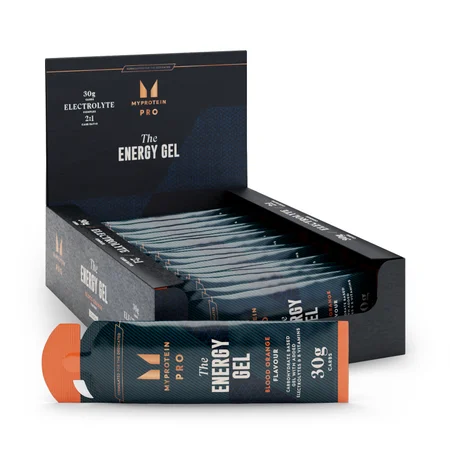
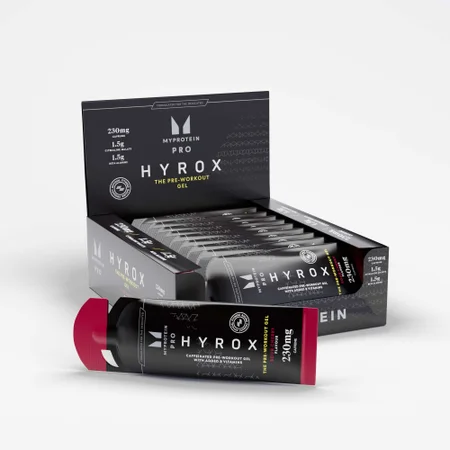
Shop Energy Gels at Myprotein
Energy gels deliver fast-acting carbohydrates in a convenient, portable format designed for endurance activities. Each gel provides a concentrated source of quick-release energy that's easy to consume during running, cycling, or any prolonged exercise session.
Available in various formulations with different carbohydrate blends and electrolyte profiles, energy gels fit easily into running belts, jersey pockets, or hydration packs. They're designed to be consumed without water, making them practical when you're pushing hard and need fuel fast.
Who Energy Gels Are For
Endurance athletes tackling runs, rides, or events lasting over 60-90 minutes often turn to energy gels as part of their fuelling strategy. Runners preparing for half marathons, marathons, or ultra-distance events use gels to maintain energy levels when muscle glycogen stores start depleting.
Cyclists on long training rides, triathletes during race day, and anyone engaging in sustained moderate to high-intensity exercise can benefit from the rapid carbohydrate delivery that gels provide. They're particularly useful when solid food becomes difficult to digest or when you need quick fuel without breaking your pace.
When to Use Energy Gels
Most endurance athletes consume their first energy gel 45-60 minutes into exercise, then continue with additional gels every 30-45 minutes depending on intensity and individual needs. This timing helps maintain blood glucose levels and delays the depletion of muscle glycogen during prolonged activity.
Some athletes prefer taking a gel 10-15 minutes before starting particularly challenging segments of their event. Practice your gel timing during training sessions rather than trying a new strategy on race day, as this helps you understand how your body responds and establish an effective fuelling routine.
Energy Gels Benefits
Convenient Carbohydrate Source
Energy gels pack 20-30g of carbohydrates into a small, lightweight sachet that fits anywhere. The gel format means you can consume them quickly without stopping or significantly slowing your pace, making them ideal for maintaining momentum during races or intensive training sessions.
Rapid Absorption
The liquid consistency and carbohydrate composition of energy gels means they move through the digestive system faster than solid foods. This quick absorption delivers glucose to working muscles when they need it most, particularly during the latter stages of endurance activities.
Precise Dosing
Each gel provides a measured quantity of carbohydrates, allowing you to track your intake accurately and adjust your fuelling plan based on training data. This precision helps you develop a consistent nutrition strategy that you can replicate during both training and competition.
Portable and Mess-Free
Single-serve sachets seal tightly and resist leaking, so you can carry multiple gels without worrying about sticky spills in your pockets or pack. The tear-top design allows one-handed opening, and the resealable options mean you can consume half now and save the rest for later if needed.
Popular Picks
Looking for premium endurance fuel? Energy Gel Elite combines carbohydrates with caffeine for those seeking both fuel and stimulation before training. The convenient pack size ensures you've got enough gels to last through multiple sessions.
FAQs
What exactly are energy gels?
Energy gels are concentrated carbohydrate supplements in a gel-like consistency, designed to provide quick-release fuel during endurance exercise. They typically contain simple and complex carbohydrates along with electrolytes, packaged in single-serve sachets for convenient consumption during activity.
How do energy gels differ from sports drinks?
Energy gels provide a more concentrated dose of carbohydrates in a smaller volume compared to sports drinks. A typical gel delivers 20-30g of carbohydrates in about 30-40ml, whilst you'd need to drink 200-300ml of sports drink to get the same carbohydrate content.
Gels are more portable and practical when you don't want to carry large bottles, though many athletes use both together as part of their fuelling strategy. Sports drinks provide hydration alongside carbohydrates, whilst gels focus primarily on delivering concentrated energy.
How often should I take energy gels during exercise?
Most endurance athletes consume one gel every 30-45 minutes during sustained exercise, starting around 45-60 minutes into their session. Your exact timing depends on exercise intensity, duration, individual metabolism, and the specific carbohydrate content of your chosen gel.
Start conservatively and adjust based on how your body responds during training. Some athletes prefer slightly more frequent, smaller doses, whilst others space them further apart alongside other nutrition sources.
Do I need to drink water with energy gels?
Whilst energy gels are designed to be consumed without water, many athletes find taking a few sips helps with digestion and prevents the gel from feeling too thick or sweet. The concentrated carbohydrate content can draw water into the digestive system, so staying hydrated alongside gel consumption is generally advisable.
Some gel formulations are more isotonic and require less water than others. Experiment during training to find what works best for your digestive system and the specific gels you're using.
Can I use energy gels for activities other than running?
Energy gels work well for any sustained endurance activity including cycling, triathlon, long-distance hiking, cross-country skiing, or swimming. The portability and quick consumption make them versatile across sports where you need rapid fuel without interrupting your effort.
Cyclists often find gels particularly convenient as they're easier to consume one-handed than unwrapping solid foods whilst riding. The key is whether your activity lasts long enough to deplete glycogen stores, typically 60-90 minutes or more of moderate to high-intensity work.
What's the difference between gel formulations?
Energy gels vary in their carbohydrate sources, with some using single sugars like glucose or fructose, whilst others blend multiple carbohydrate types for different absorption rates. Some gels include added electrolytes like sodium, whilst others add caffeine for an additional stimulant effect.
Consistency also differs between brands and products, from thin, liquid gels to thicker formulations. The best choice depends on your taste preferences, digestive tolerance, and specific performance needs during different types of training or events.
When should I start practising with energy gels?
Begin incorporating energy gels during longer training sessions well before any target event. This gives your digestive system time to adapt to consuming concentrated carbohydrates during exercise and helps you identify which flavours and formulations you tolerate best.
Use training sessions to establish your ideal timing, quantity, and preferred products. Never try a new gel or fuelling strategy on race day, as digestive issues can significantly impact your performance.
Are these products developed by nutrition experts?
Myprotein's energy gels are developed by expert nutritionists who understand the specific demands of endurance exercise. The formulations are designed to provide practical, effective fuel that athletes can rely on during training and competition.
How should I carry energy gels during a run or ride?
Runners typically carry gels in running belts, vest pockets, or specially designed gel holders that attach to waistbands or hydration packs. Cyclists often store gels in jersey pockets, where they're easily accessible without dismounting or significantly slowing down.
Consider how many gels you'll need based on your planned duration and consumption schedule, and test your carrying method during training. Some athletes prefer to pin gels to their shorts or vest for ultra-easy access during races.
Can I take energy gels during shorter workouts?
Energy gels are generally unnecessary for sessions under 60-90 minutes, as your body's existing glycogen stores typically provide adequate fuel for shorter efforts. Most athletes reserve gels for longer endurance sessions where glycogen depletion becomes a limiting factor.
That said, some people use gels strategically before particularly intense intervals or hill sessions within shorter workouts. The key is understanding when additional quick-release carbohydrates genuinely benefit your specific training goals rather than consuming them habitually.