Protein
Shop our range of protein shakes, protein powders, and blends for high-quality protein supplements to support the growth and maintenance of your muscles — important no matter your fitness goal.
33 Results
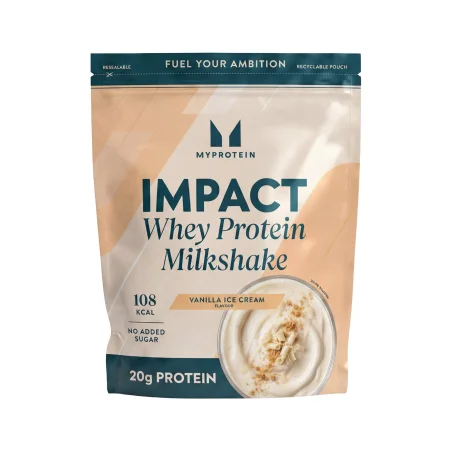
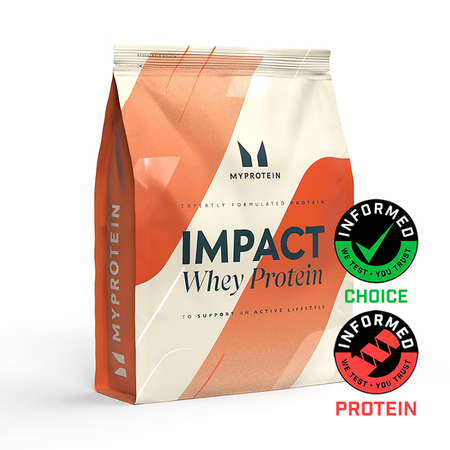
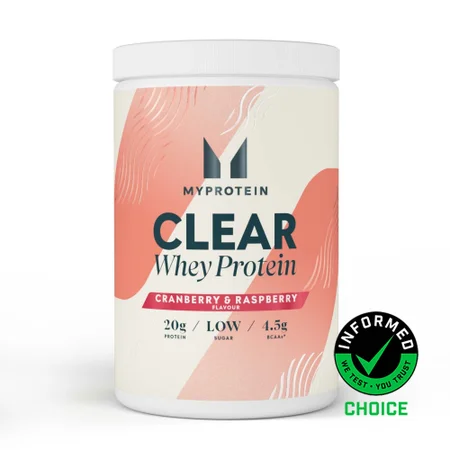
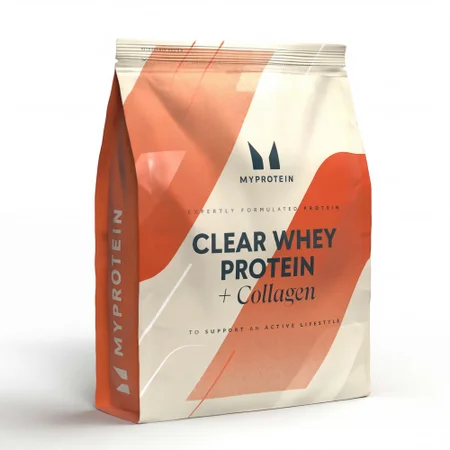
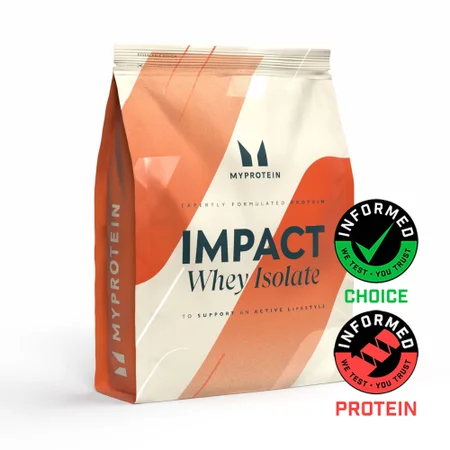
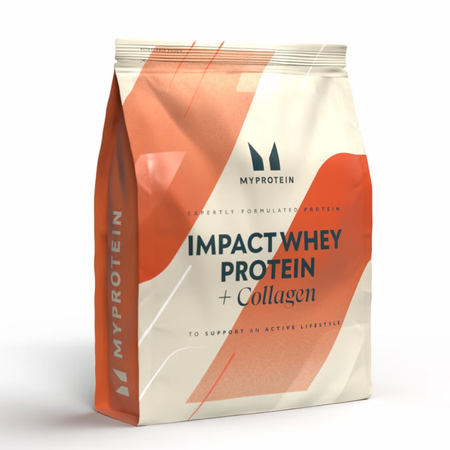
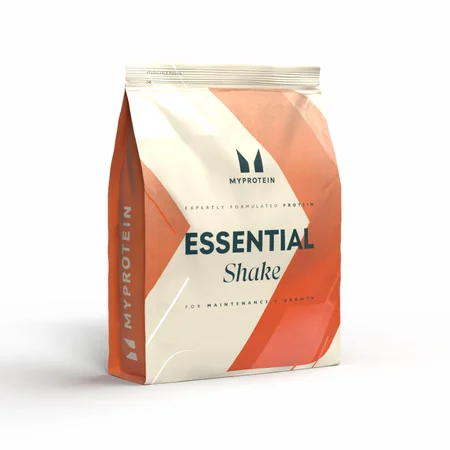
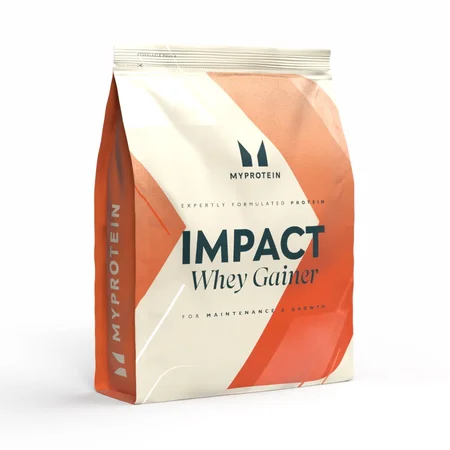
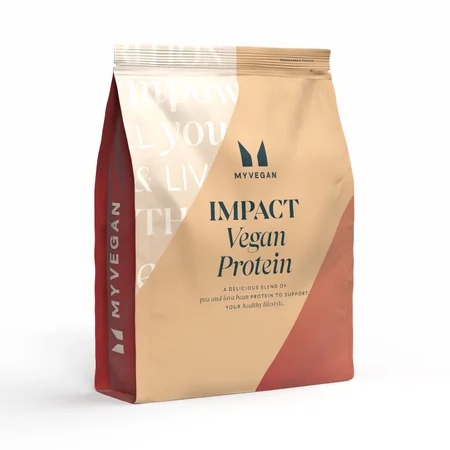
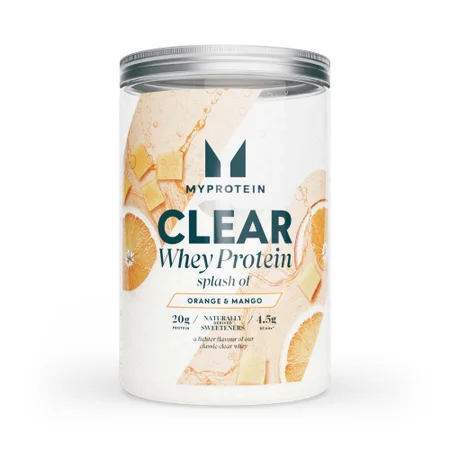
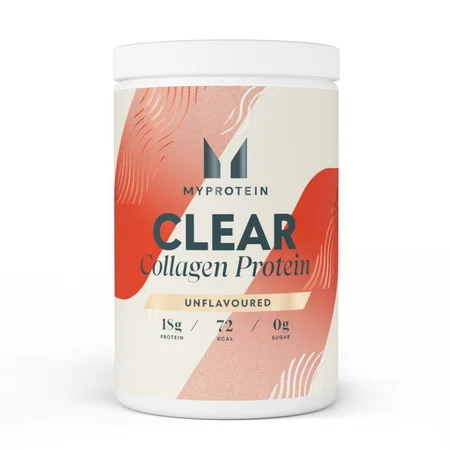
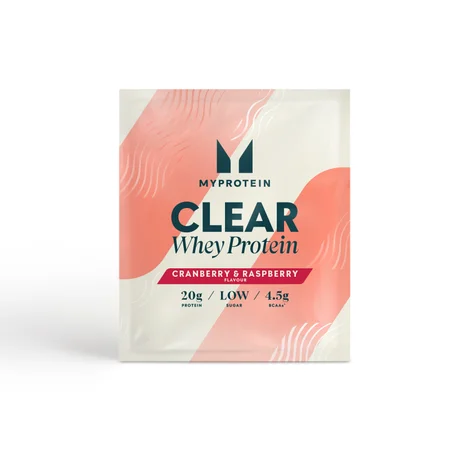
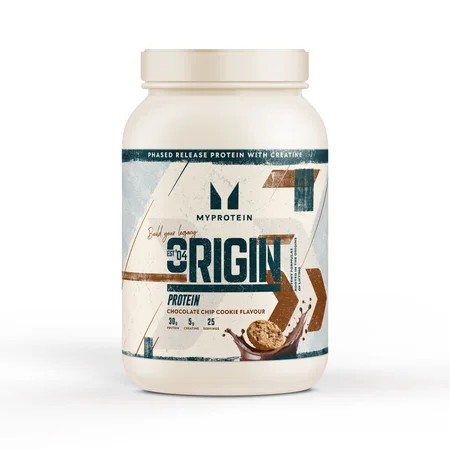
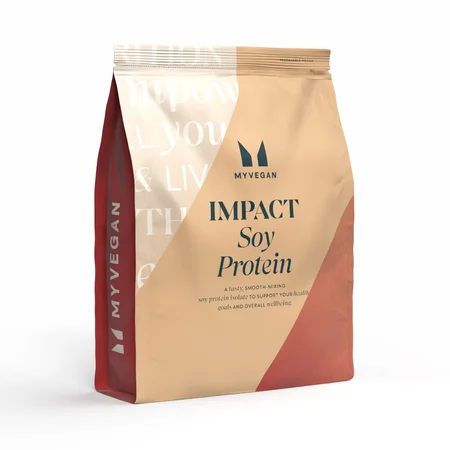
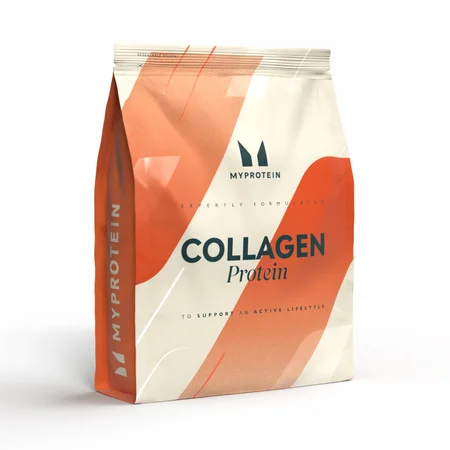

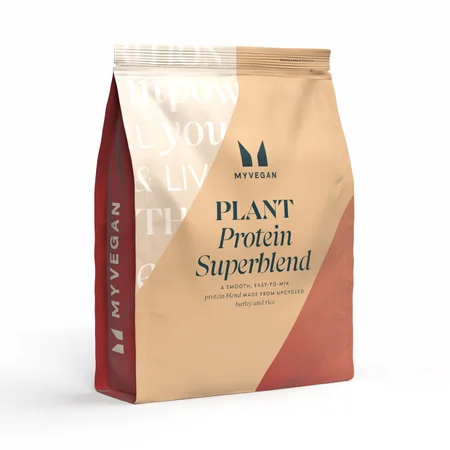
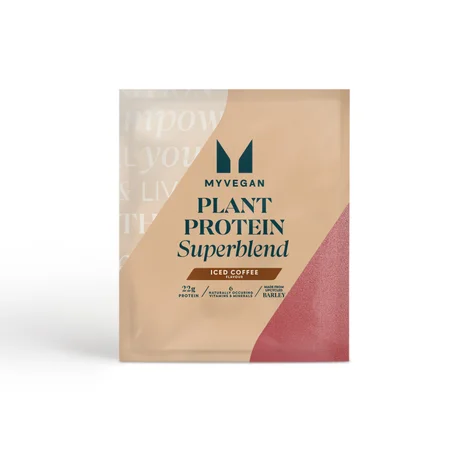
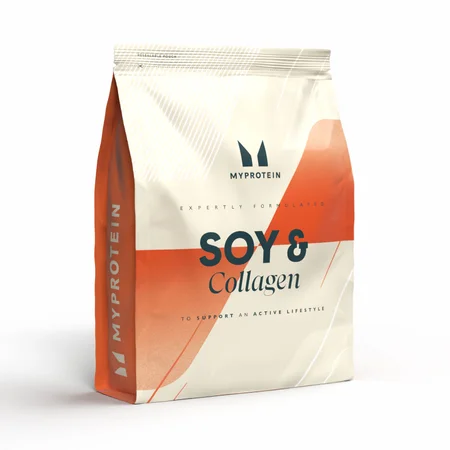
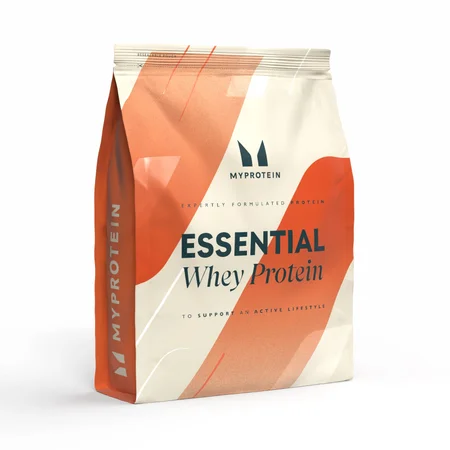
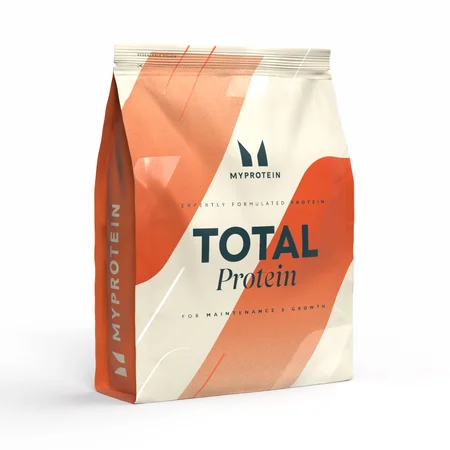
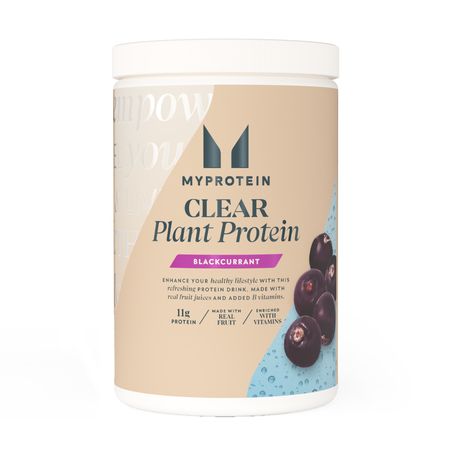


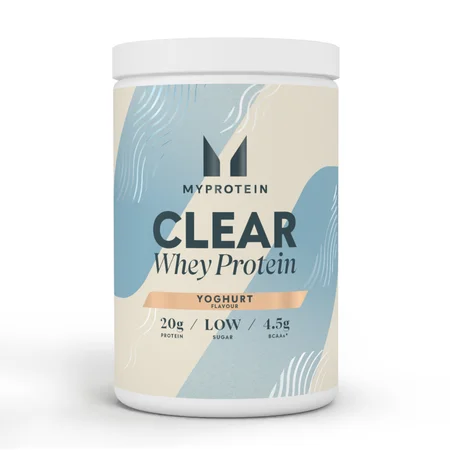
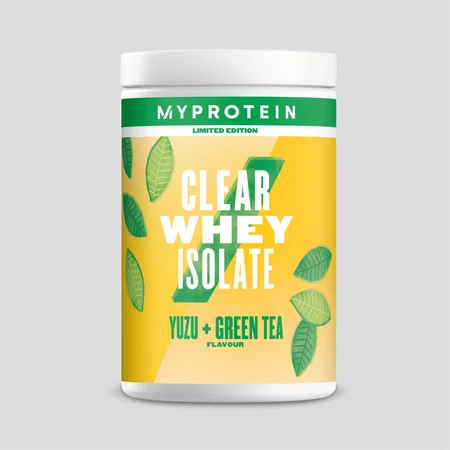
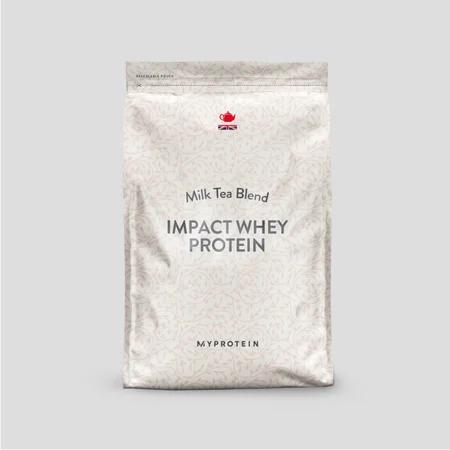

Shop Protein at Myprotein
Protein is one of the three essential macronutrients your body needs daily. It's made up of amino acids, which serve as building blocks throughout the body. Whether you're training hard in the gym, looking to hit your daily nutrition targets, or simply want a convenient way to boost your protein intake, protein supplements offer a practical solution.
At Myprotein, you'll find protein in multiple forms to suit different preferences and goals. From classic whey protein powders to plant-based options, ready-to-drink shakes, and high-protein snacks, there's something for every routine. All products are developed by our expert nutritionists and backed by rigorous quality standards.
Who Protein Is For
Protein supplements work for anyone looking to increase their daily protein intake in a convenient way. Gym-goers often turn to protein powder post-workout as part of their nutrition routine. Athletes across various sports use protein to meet their elevated macronutrient needs. Even those with busy schedules find protein shakes a quick alternative to preparing protein-rich meals.
Plant-based eaters, vegetarians, and vegans can benefit from protein supplements too, especially soy protein or pea protein isolates. These provide complete amino acid profiles without animal-derived ingredients. If you're tracking macros or following a structured nutrition plan, protein supplements make it easier to hit your daily targets consistently.
When to Use Protein
Many people consume protein powder after training sessions, mixed with water or milk for a quick shake. Others prefer it first thing in the morning blended into smoothies or stirred into porridge. Some use protein powder between meals as a convenient snack, while others incorporate it into recipes like protein pancakes or baked goods.
There's no single "best" time to take protein - it depends on your routine and preferences. What matters most is hitting your overall daily protein target. Whether you have it pre-workout, post-workout, or spread throughout the day, consistency with your total intake is what counts.
Protein Benefits
Supports Muscle Growth and Maintenance
Protein contributes to the growth and maintenance of muscle mass1. This makes it particularly relevant for those engaged in resistance training or any form of regular exercise. Consuming adequate protein provides the amino acids your muscles need as part of your overall nutrition strategy.
Contributes to Bone Health
Protein contributes to the maintenance of normal bones2. Beyond muscle tissue, protein plays a structural role throughout the body. Getting enough protein as part of a balanced diet supports your overall nutritional needs.
Convenient and Versatile
Protein supplements offer unmatched convenience. A scoop of protein powder mixes in seconds, providing 20-25g of protein without any meal prep. You can take it to the gym, office, or on the go. Protein powder also works in countless recipes, from smoothies to baked goods, making it easy to boost the protein content of any meal or snack.
Variety of Formats and Flavours
Protein comes in numerous formats beyond traditional powder. Ready-to-drink protein shakes, protein bars, protein cookies, and even savoury high-protein snacks give you options for every situation. With dozens of flavours available, from classic chocolate and vanilla to unique seasonal options, you'll never get bored with your protein routine.
Popular Picks
Looking for a trusted all-rounder? Impact Whey Protein Powder provides a complete amino acid profile from 100% soy protein isolate. With over 27g of protein per serving and no animal-derived ingredients, it's a solid choice for vegetarians and vegans alike.
FAQs
What is protein powder?
Protein powder is a concentrated source of protein derived from various sources like milk (whey, casein), plants (soy, pea, rice), or eggs. The raw material undergoes processing to remove most fats and carbohydrates, leaving a powder that's typically 70-90% protein by weight. You mix it with liquid to create a shake, or add it to foods to increase their protein content.
What's the difference between whey protein and whey isolate?
Whey protein concentrate typically contains 70-80% protein, with small amounts of lactose, fat, and carbohydrates remaining. Whey isolate goes through additional filtering to remove more of these components, resulting in over 90% protein content with minimal lactose and fat.
Isolate costs more due to the extra processing, but offers a leaner protein source. Concentrate provides slightly more naturally occurring nutrients from the milk, while isolate suits those who want maximum protein with minimal extras.
How much protein powder should I take daily?
Protein needs vary based on your body weight, activity level, and goals. General guidelines suggest 1.2-2.0g of protein per kilogram of body weight for active individuals, though some may need more or less. A typical serving of protein powder provides 20-30g of protein, which many people use once or twice daily as part of their overall protein intake from all food sources.
Track your total daily protein from meals and supplements combined. Protein powder simply makes it easier to reach your target - it's not about the powder itself, but your total daily intake that matters.
Can I use protein powder if I'm plant-based?
Absolutely. Plant-based protein powders like soy protein isolate, pea protein, rice protein, and hemp protein provide complete or complementary amino acid profiles without any animal products. Soy protein isolate in particular offers a complete amino acid profile comparable to whey protein.
Many plant proteins are now available in multiple flavours with improved taste and texture. Check product labels to ensure they're certified vegan if that's important to you, as some flavourings or additives can occasionally contain animal-derived ingredients.
When should I drink a protein shake?
You can consume protein powder whenever it fits your schedule. Common times include post-workout, first thing in the morning, between meals, or before bed. Research hasn't identified one universally "best" time - what matters most is meeting your total daily protein target consistently.
Many people find post-workout convenient since they're already at the gym with their shaker. Others prefer morning protein smoothies or evening shakes. Choose timing that helps you stay consistent with your overall nutrition plan.
How do I choose between different types of protein powder?
Start with your dietary preferences and restrictions. If you're plant-based, that narrows options to soy, pea, or rice proteins. If you consume dairy, whey protein offers excellent mixability and taste. Consider whether you want a concentrate for value or an isolate for maximum protein content with minimal extras.
Think about texture preferences too. Traditional whey creates creamy, milky shakes. Clear whey protein offers a lighter, juice-like experience. Taste matters as well - try smaller sizes first to find flavours you genuinely enjoy, since you'll be having it regularly.
Who developed Myprotein's protein supplements?
All Myprotein products are developed by our team of expert nutritionists and food scientists. They formulate each product based on nutritional science, quality standards, and customer feedback. The range undergoes rigorous testing to ensure it meets our specifications for protein content, purity, and taste.
Many of our protein powders also carry Informed-Sport certification, meaning they're tested for banned substances. This makes them suitable for competitive athletes who need assurance about what they're consuming.
Can I cook or bake with protein powder?
Yes, protein powder works in numerous recipes beyond shakes. People add it to pancakes, muffins, protein balls, porridge, smoothie bowls, and even savoury dishes. Whey protein and plant proteins both tolerate moderate heat, though excessive temperatures can affect texture.
Start by substituting a small portion of flour with protein powder in recipes - usually 25-30% works well. You may need to adjust liquid ratios since protein powder absorbs moisture differently than flour. Unflavoured or vanilla protein tends to work best for versatile cooking applications.
What's the difference between protein powder and ready-to-drink protein shakes?
Protein powder requires mixing with liquid using a shaker or blender. It offers flexibility in portion size, liquid choice, and the option to add other ingredients. Ready-to-drink (RTD) protein shakes come pre-mixed in bottles - you simply open and consume them.
RTDs cost more per serving but offer maximum convenience when you're genuinely on the go. Powder is more economical and versatile, but requires carrying a shaker and access to liquid. Many people keep powder at home and RTDs in their car or gym bag for emergencies.
How long does protein powder last once opened?
Most protein powders remain good for 12-18 months from the manufacture date when stored properly. Once opened, keep the bag sealed tightly and store it in a cool, dry place away from direct sunlight and moisture. The best-before date on the packaging provides guidance, though protein powder often remains usable beyond this if stored correctly.
Signs that protein powder has gone off include clumping (from moisture exposure), off smells, or visible mould. If it looks, smells, and tastes normal, it's likely fine to use even if slightly past the best-before date.
1. Protein contributes to a growth in muscle mass.
2. Protein contributes to the maintenance of normal bones.