Blends
Shop our range of protein blends for high-quality formulas designed to support your gym training. Whether you’re looking for a fast-release post-workout shake, a slow-release bedtime blend, or a bulking formula, we’ve got something for you.
8 Results
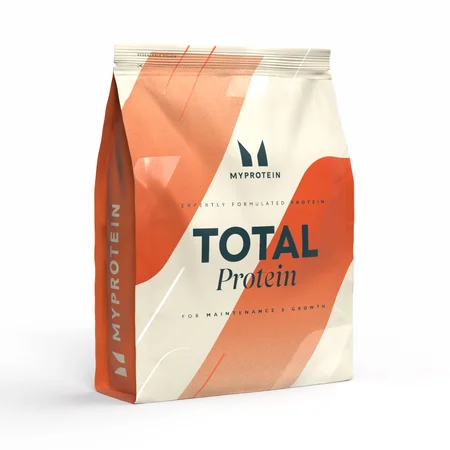
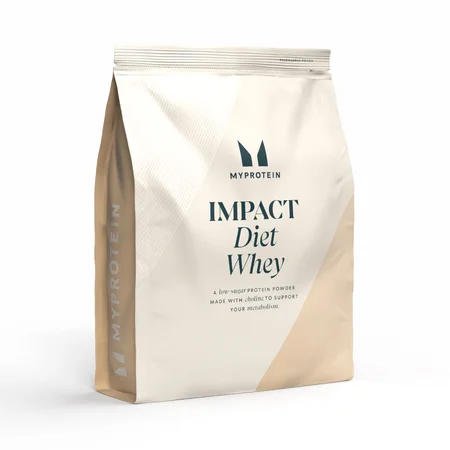
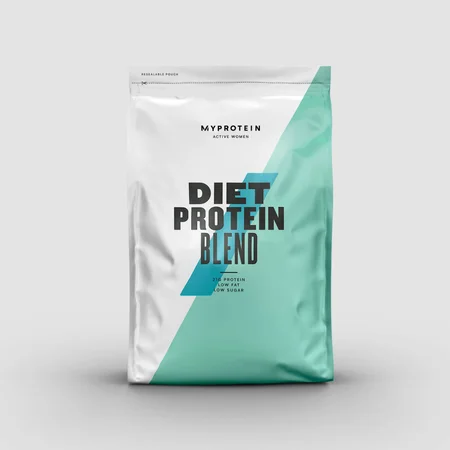
Shop Protein Blends at Myprotein
Protein blends combine different protein sources to deliver a complete amino acid profile with varied digestion rates. By mixing fast-absorbing whey with slower-release casein or plant proteins, these formulas provide both immediate and sustained protein delivery throughout the day.
Whether you're looking for a multi-protein blend for all-day nutrition or a specialised formula targeting specific goals, our range delivers quality protein from carefully selected sources. Each blend is crafted to provide the building blocks your body needs, available in formats from convenient shakes to meal replacement options.
Who Protein Blends Are For
Protein blends suit anyone wanting the benefits of multiple protein sources in a single formula. Gym-goers appreciate the combination of fast and slow proteins, whilst those with busy schedules value the convenience of an all-in-one nutrition solution.
From athletes seeking comprehensive nutrition to people simply looking to increase their daily protein intake efficiently, blended formulas offer flexibility. Vegan options combine plant sources like pea and brown rice protein, whilst whey-based blends mix concentrate, isolate, and hydrolysate for varied absorption rates.
When to Use Protein Blends
Many people use protein blends post-workout to take advantage of the immediate protein delivery from faster sources alongside the sustained release from slower proteins. The mixed absorption rates make these formulas practical for consumption at any time of day.
Breakfast smoothies and meal replacements work well as on-the-go options, whilst some prefer a protein blend between meals or before bed. The timing depends on your routine and nutritional needs rather than strict rules about optimal windows.
Protein Blend Benefits
Muscle Growth and Maintenance
Protein contributes to the growth and maintenance of muscle mass1. Blends deliver complete amino acid profiles from multiple sources, providing the protein your body needs after training and throughout recovery periods.
Varied Digestion Rates
Combining different protein types means you get both rapid and extended amino acid delivery. Fast proteins are quickly available after consumption, whilst slower proteins continue releasing over several hours.
Complete Amino Acid Profiles
Multi-source formulas ensure you're getting all essential amino acids. This is particularly valuable in plant-based blends, where combining proteins like pea and rice creates a more complete amino acid spectrum than single sources alone.
Flexible Usage
From shakes to smoothies to meal replacements, protein blends fit into various contexts. The combination of protein sources makes them suitable for consumption at different times without needing to switch between separate products.
Popular Picks
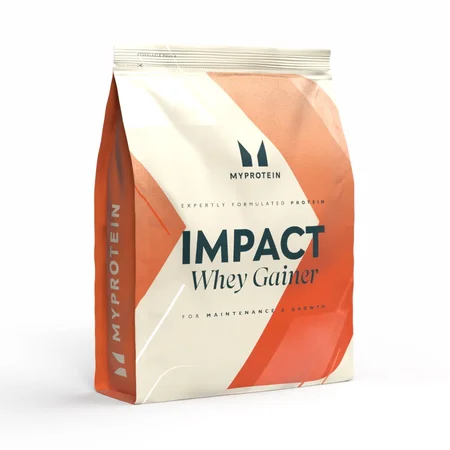
Want substantial calories alongside your protein? Impact Whey Gainer combines whey protein isolate and concentrate with CLA, green tea extract, and added vitamins. Designed for those watching their calorie intake whilst maintaining protein consumption.
FAQs
What exactly are protein blends?
Protein blends combine two or more different protein sources into a single formula. Common combinations include whey concentrate with whey isolate, or whey protein mixed with casein for varied digestion speeds. Plant-based blends typically mix pea protein with rice, hemp, or other plant sources to create a more complete amino acid profile than single-source options.
How do protein blends differ from single-source proteins?
Single-source proteins contain one type of protein - like pure whey isolate or pure pea protein - with consistent digestion characteristics. Protein blends mix multiple sources, creating varied absorption rates and potentially more diverse amino acid profiles.
Blends offer convenience by combining benefits you'd otherwise get from purchasing separate products. The trade-off is less control over the exact ratio of fast versus slow proteins compared to mixing your own.
Who developed these protein blend formulas?
Myprotein's expert nutritionists developed these blends based on sports nutrition research and customer feedback. Each formula is designed to combine complementary protein sources that work together, whether for all-day nutrition, post-workout use, or specific dietary requirements like vegan-friendly options.
How much protein do these blends typically contain per serving?
Protein content varies by product. Standard protein blend shakes typically provide 20-25g of protein per serving, whilst weight gainers may exceed 30g alongside additional carbohydrates. Meal replacement blends often contain 15-25g of protein plus fats, carbs, and added micronutrients.
Always check the product label for exact protein content per serving, as this varies based on the specific blend and flavour.
Can I use protein blends if I'm lactose intolerant?
This depends on the specific blend. Formulas containing whey isolate typically have minimal lactose due to the additional processing, though they're not completely lactose-free. Products mixing whey concentrate with other proteins will contain more lactose.
Vegan protein blends contain no lactose whatsoever, as they're made entirely from plant sources like pea, rice, and hemp. Check individual product labels for allergen information and lactose content.
What's the best way to use protein blend powder?
Most people mix protein blend powder with 200-300ml of water or milk in a shaker. The exact amount of liquid affects thickness - use less for a thicker shake, more for a lighter consistency. Blending with ice, fruit, oats, or nut butter creates smoothies with added nutrition and calories.
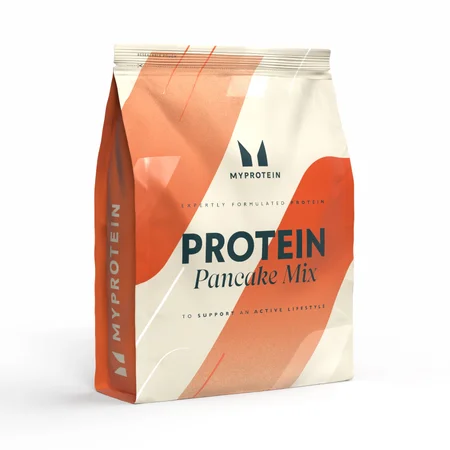
You can also mix protein powder into porridge, yoghurt, or use it in protein pancakes and baking. Start with the serving size recommended on the label and adjust based on your total daily protein needs.
Do protein blends mix well or do they clump?
Modern protein blends generally mix smoothly when prepared properly. Using a shaker bottle with a blender ball helps break up any clumps, whilst adding liquid first then powder reduces clumping compared to powder-first methods.
Some blends containing ingredients like oats or thicker proteins may create a denser texture naturally. If you notice clumping, try using slightly more liquid, shaking more vigorously, or letting the mixture sit for a minute before drinking.
How do I choose between different protein blends?
Start by considering dietary requirements - vegan blends if you avoid animal products, whey-based if dairy is acceptable. Then look at your goals: weight gainers for higher calories, diet formulas for lower calories, or standard blends for straightforward protein supplementation.
Check the protein content per serving, additional ingredients like vitamins or CLA, and flavour options. Reading product descriptions helps identify which blend matches your routine, whether that's post-workout shakes, breakfast replacements, or between-meal nutrition.
Are these protein blends suitable for everyday use?
Protein blends are designed as dietary supplements to complement your regular food intake. Many people use them daily as a convenient protein source, particularly around workouts or when whole food meals aren't practical.
They shouldn't replace whole foods entirely, as varied nutrition from real meals provides fibre, micronutrients, and other beneficial compounds. Use protein blends as part of a balanced diet that includes plenty of whole food protein sources like meat, fish, eggs, legumes, and dairy.
What makes plant-based protein blends effective?
Plant proteins from different sources have varying amino acid profiles. Pea protein is rich in certain amino acids whilst rice protein complements it with others. By blending multiple plant proteins, formulas create a more complete amino acid spectrum similar to animal proteins.
This combination approach means plant-based blends can effectively support protein needs just like whey or other animal proteins. Protein contributes to the growth and maintenance of muscle mass1, regardless of whether it comes from plant or animal sources.
1. Protein contributes to the growth and maintenance of muscle mass.