Protein Bars
Protein bars are a super-convenient way to get more protein into your everyday diet. From vegan protein bars to low carb protein bars, our range delivers a huge selection of protein blends, carbs, and fats to help you reach your goals.
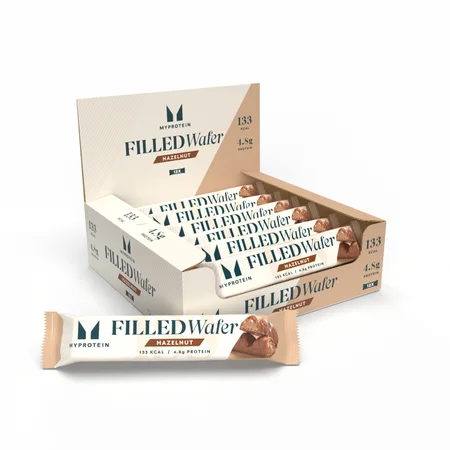
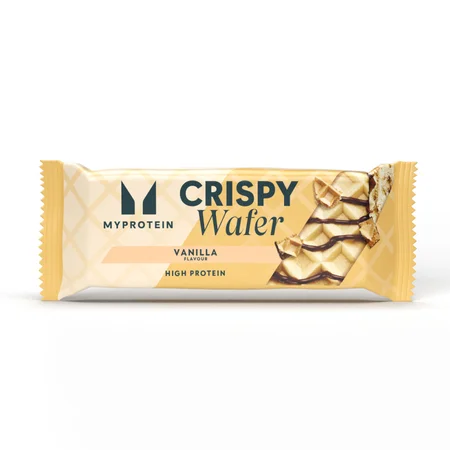

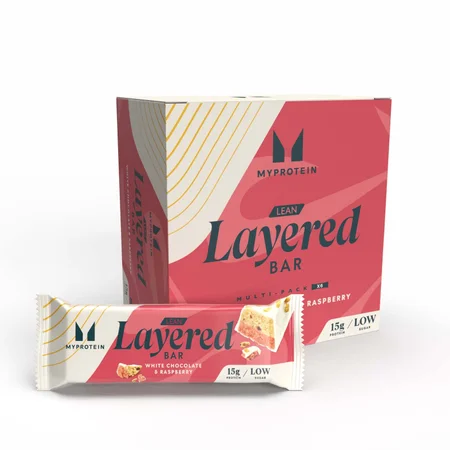

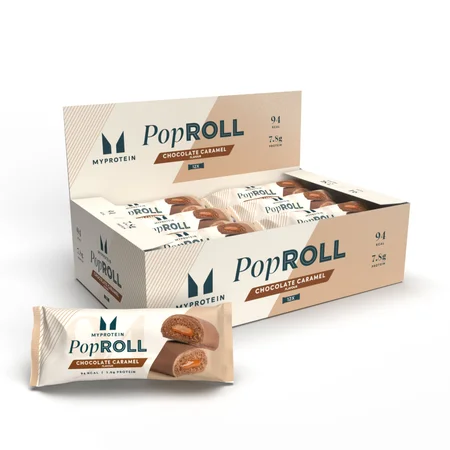
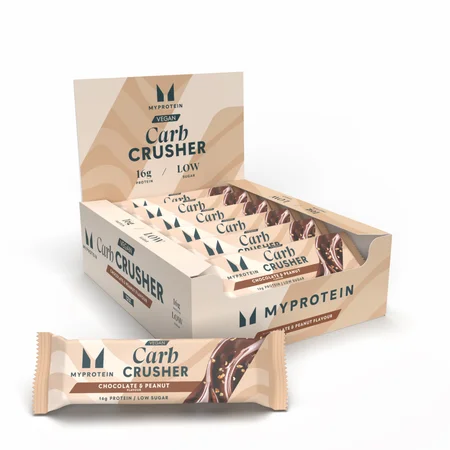
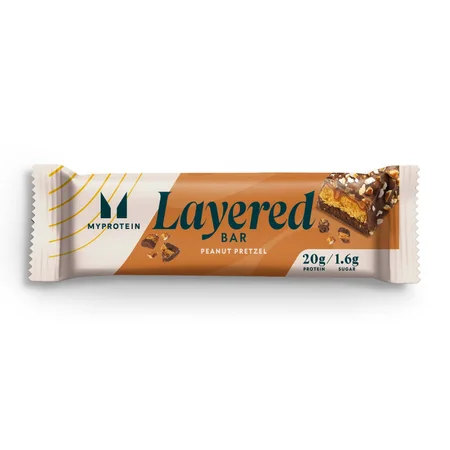

Shop Protein Bars at Myprotein
Protein bars offer a convenient way to get quality nutrition when you're short on time. Whether you're between meetings, travelling, or just need something quick after the gym, these portable snacks pack a serious protein punch without the need for shakers or prep.
From crunchy wafers to layered bars, there's a texture and flavour for every preference. Each option delivers protein alongside carbs and fats, making them a practical choice when a full meal isn't on the cards.
Who These Are For
Protein bars work for anyone with an active lifestyle who needs nutrition on demand. They're particularly useful for busy professionals who can't always sit down for proper meals, or athletes fitting in sessions around work commitments. The portability makes them easy to stash in gym bags, desk drawers, or car glove boxes.
They're also a solid option if you're tracking macros and want a straightforward way to hit protein targets without cooking. Different formats suit different needs—some prioritise higher protein content, whilst others balance protein with taste and texture.
When to Use Protein Bars
Many people reach for protein bars post-workout as a quick protein source whilst on the move. They're equally practical as a mid-morning or afternoon snack when hunger strikes between main meals. The key is treating them as what they are—convenient supplements to your regular food intake, not meal replacements for every occasion.
Keep a couple in your bag for those unpredictable days when plans change. They work well on long journeys, during shift work, or any time you need something more substantial than fruit but don't have access to proper food prep.
Protein Bars Benefits
Convenience Without Compromise
No mixing, no mess, no refrigeration needed. Protein bars deliver quality nutrition in grab-and-go format, making it easy to stay on track even during hectic schedules.
Supports Your Training Goals
Protein contributes to the growth and maintenance of muscle mass.1 Protein bars provide a measured dose of this essential macronutrient in a portable package, helping you meet daily protein requirements consistently.
Variety That Keeps Things Interesting
From chocolate to peanut butter, crispy to chewy, there's enough variety to prevent flavour fatigue. Different textures and formulations mean you can match the bar to your mood or specific nutritional needs on any given day.
Precise Macro Tracking
Each bar has clearly defined macros, making it simple to log nutrition accurately. No guesswork, no estimating portion sizes—just straightforward numbers that slot easily into your daily targets.
Popular Picks
Looking for a light, crispy texture? Filled Wafer combines protein with a rice crisp texture that's lighter than dense bars. It's a solid choice when you want protein without the heaviness some bars can bring.
FAQs
What exactly are protein bars?
Protein bars are portable snack bars formulated to deliver a concentrated dose of protein alongside varying amounts of carbohydrates and fats. They're manufactured using protein sources like whey, milk protein, or plant proteins, combined with binding agents, flavourings, and often a coating or layers for texture and taste.
How do protein bars compare to protein shakes?
Both deliver protein, but the format differs. Shakes require mixing and are liquid, making them faster to consume and digest. Bars are solid, more portable, and don't need any preparation or equipment.
Shakes often absorb more quickly, whilst bars provide a more substantial, chewable option that some find more satisfying. The choice comes down to convenience, preference, and timing—shakes work well immediately post-workout, bars excel during travel or at work.
How much protein should I look for in a protein bar?
Protein content varies widely, typically ranging from 10g to 25g per bar. Higher isn't always better—it depends on your daily protein targets and how the bar fits into your overall nutrition plan.
If you're using bars as occasional snacks, 10-15g might suffice. For post-workout nutrition or as a more substantial snack, 20g+ makes more sense. Check the full macro breakdown too—some high-protein bars also pack significant calories from fats and carbs.
Can I eat protein bars as meal replacements?
Whilst protein bars can fill a gap in a pinch, they're designed as snacks or supplements rather than complete meals. Most lack the full spectrum of nutrients—vitamins, minerals, fibre, and micronutrients—that whole food meals provide.
Using them occasionally when proper meals aren't available is fine, but relying on them regularly means missing out on nutritional variety. They work best as part of a balanced diet that includes plenty of whole foods.
What's the difference between high-protein bars and regular protein bars?
High-protein bars typically contain 20g or more protein per serving and often have adjusted macros—lower carbs and fats to keep calories reasonable whilst maximising protein density. Regular protein bars might sit in the 10-15g range with a more balanced macro split.
The "high protein" designation usually means protein makes up a larger percentage of total calories. They're useful when you need maximum protein without excess calories, though some sacrifice texture or taste to achieve those numbers.
Are vegan protein bars different from regular protein bars?
Vegan protein bars use plant-based protein sources like pea, rice, or soy protein instead of dairy-derived proteins like whey. The protein content can be comparable, though the texture sometimes differs due to the binding properties of plant proteins.
Nutritionally, quality vegan bars can match dairy-based options for protein content. The main differences show up in amino acid profiles—plant proteins often need combining to provide complete amino acid coverage, though many brands formulate their bars to address this.
How should I store protein bars?
Most protein bars store well at room temperature in a cool, dry place. Extreme heat can cause chocolate coatings to melt or soften the bar texture, whilst very cold temperatures might make some bars harder and tougher to bite through.
Keep them in their wrappers until you're ready to eat them to maintain freshness. If you prefer a softer texture, a few seconds in the microwave can help, though this isn't necessary—it's purely down to preference.
Who develops Myprotein's protein bars?
Myprotein's expert nutritionists develop the protein bar range, working to balance nutritional targets with taste and texture. The team formulates products based on customer feedback, nutritional science, and market trends to create options that work for different training goals and dietary preferences.
How do protein wafer bars differ from layered protein bars?
Protein wafer bars feature a light, crispy wafer structure—think of the texture you'd find in a traditional wafer biscuit. They're airier and less dense, making them feel less heavy in your stomach.
Layered protein bars typically combine multiple textures—soft nougat or caramel-like layers with crunchier elements, often finished with a coating. They're denser and more substantial, offering more textural variety in each bite. Choose wafers for a lighter option, layered bars when you want something more filling.
When's the best time to eat a protein bar during the day?
There's no single "best" time—it depends on your schedule and goals. Many people eat them post-workout as a convenient protein source, or between meals when hunger strikes but a full meal isn't practical.
Some use them as a pre-gym snack for easily digestible energy and protein, whilst others keep them as an afternoon pick-me-up. The timing matters less than ensuring they fit into your daily protein and calorie targets. Use them when they're most convenient and helpful for your routine.
1. Protein contributes to the growth and maintenance of muscle mass.