Milk Protein
Our range of high-quality milk protein and casein are the perfect alternatives to whey protein. Packed with slow-releasing protein, they help to grow and maintain muscle between meals, and even while you sleep.
8 Results
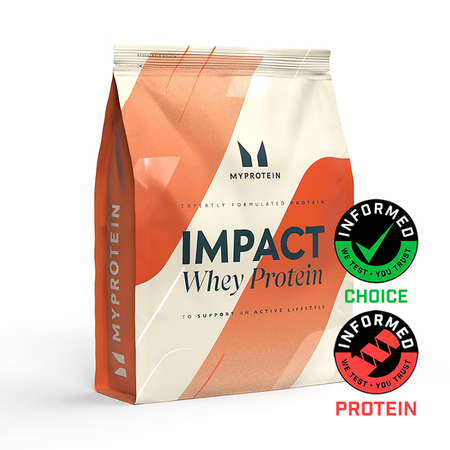
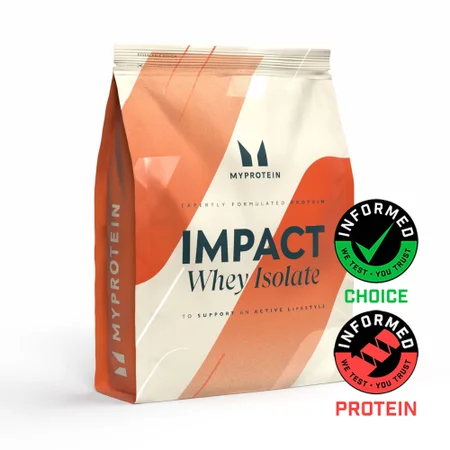
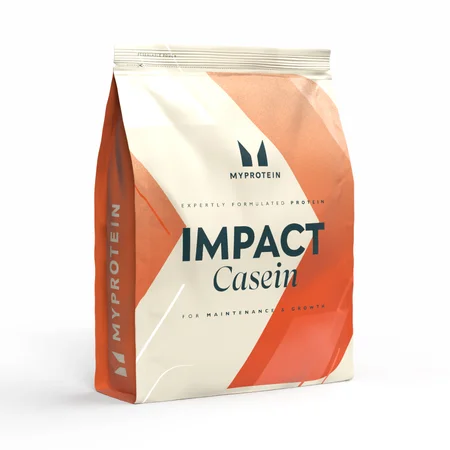
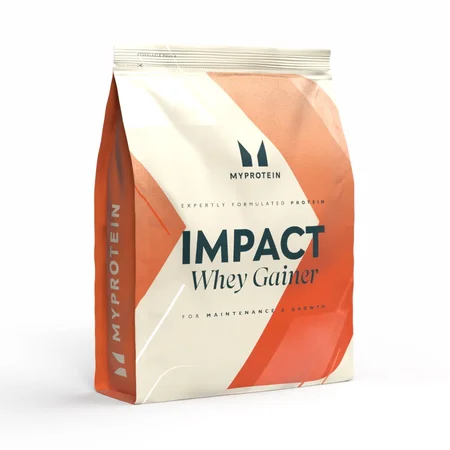
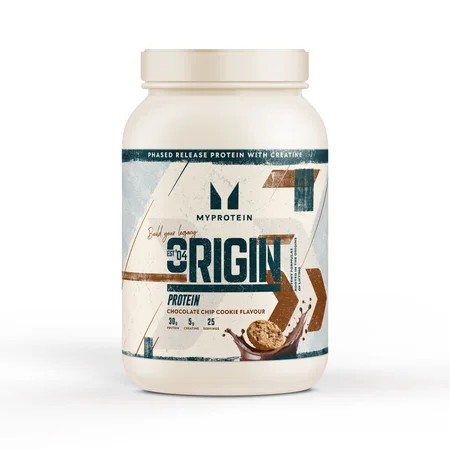
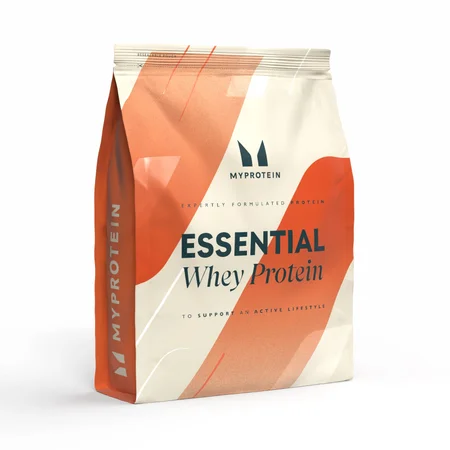
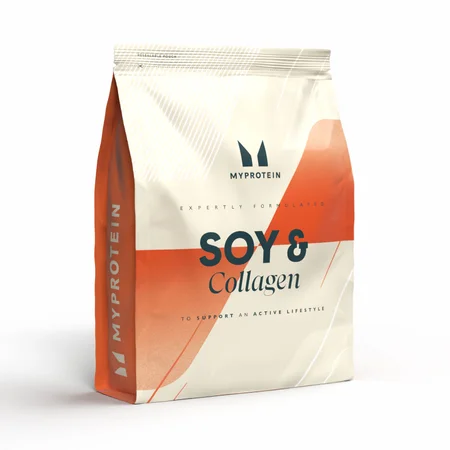
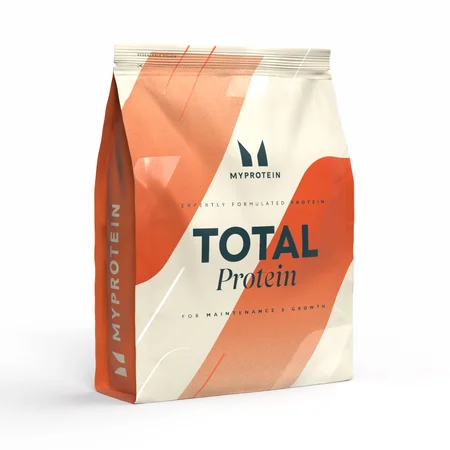
Shop Milk Protein at Myprotein
Milk protein is a complete protein source derived directly from cow's milk, containing both whey and casein in their natural proportions. It provides all nine essential amino acids your body can't produce on its own, making it a versatile choice for anyone looking to increase their protein intake.
Whether you're training for strength, endurance, or general fitness, milk protein offers a convenient way to meet your daily protein requirements. Available in powder form, it's easy to mix into shakes, smoothies, or recipes when whole food sources aren't practical.
Who Milk Protein Is For
Milk protein suits anyone who tolerates dairy and wants a quality protein supplement. Gym-goers, athletes, and active individuals often use it to support their training routines, whilst those with higher protein needs find it a practical addition to their daily diet.
From beginners just starting their fitness journey to experienced lifters following structured programmes, milk protein works across all training levels. Its blend of fast-acting whey and slow-digesting casein makes it suitable for various goals and schedules.
When to Use Milk Protein
Many people take milk protein post-workout when their muscles need amino acids, but it's equally effective at other times throughout the day. The combination of quick and slow-release proteins means it can work after training or between meals when you need sustained protein delivery.
Some prefer it as a convenient breakfast option when time is short, whilst others use it as an evening shake. There's no single "best" time – it fits wherever you need additional protein in your daily routine.
Milk Protein Benefits
Complete Amino Acid Profile
Milk protein contains all nine essential amino acids in optimal ratios. This complete profile includes leucine, which plays a key role in muscle protein synthesis, alongside the other branched-chain amino acids isoleucine and valine.
Dual-Release Protein Blend
The natural combination of whey and casein provides both rapid and sustained amino acid delivery. Whey absorbs quickly after consumption, whilst casein digests gradually over several hours, giving your muscles access to amino acids for an extended period.
Muscle Mass Support
Protein contributes to the growth and maintenance of muscle mass1. Meeting your daily protein requirements through supplements like milk protein can help you achieve the intake needed to support your training goals.
Versatile and Convenient
Milk protein powder mixes easily into liquids and can be added to porridge, yoghurt, or baking recipes. This flexibility makes it simple to increase your protein intake without relying solely on whole food sources throughout the day.
Popular Picks
Looking for pure whey protein? Impact Whey Protein Powder - A straightforward whey protein powder offering 19g protein per serving at an accessible price point. Ideal if you need consistent daily protein without extra features.
FAQs
What is milk protein?
Milk protein is the protein fraction extracted from cow's milk, containing both whey and casein in approximately an 80:20 ratio. It provides all essential amino acids and is considered a complete protein source.
Unlike protein isolates that separate individual components, milk protein maintains the natural balance found in dairy. This makes it similar to the protein you'd get from drinking milk, but in a concentrated, convenient powder form.
How does milk protein differ from whey protein?
Whey protein is just one component of milk protein, making up roughly 20% of the total protein in milk. Milk protein contains both whey and casein together, whilst whey protein products isolate only the whey fraction.
Whey absorbs rapidly after consumption, whilst casein digests slowly over several hours. Milk protein gives you both in one supplement, providing immediate and sustained amino acid delivery without needing to mix separate products.
When should I take milk protein powder?
There's no single optimal time for milk protein – it works whenever you need protein throughout the day. Many people take it post-workout to meet their protein requirements, whilst others use it between meals or as part of breakfast.
The dual-release nature means it's versatile enough for any timing. Some prefer it before bed due to the slow-digesting casein component, but it's equally effective at other times based on your schedule and preferences.
How much milk protein should I take daily?
Your total protein needs depend on your body weight, activity level, and training goals. Most active individuals aim for 1.6-2.2g protein per kilogram of body weight daily, with milk protein supplementing your intake from food sources.
A typical serving provides 20-25g protein, which you can take once or split across multiple servings throughout the day. Calculate your total protein target first, then use supplements to fill any gaps your regular meals don't cover.
Can milk protein help with muscle growth?
Protein contributes to the growth and maintenance of muscle mass1. Meeting your daily protein requirements is essential for supporting muscle development when combined with resistance training.
Milk protein provides the amino acids your muscles need, but it works alongside your training programme rather than replacing it. Consistent protein intake, progressive overload in the gym, and adequate recovery all contribute to results.
Is milk protein suitable if I'm lactose sensitive?
Standard milk protein powders contain lactose, as they're derived from whole milk. If you're lactose intolerant, you might experience digestive discomfort depending on the severity of your sensitivity.
Consider whey isolate or hydrolysed whey instead, as these typically contain minimal lactose. Alternatively, plant-based protein powders eliminate dairy entirely whilst still providing complete amino acid profiles.
How do I use milk protein powder?
Mix one scoop (typically 25-30g) with 200-300ml water, milk, or your preferred liquid in a shaker bottle. Shake vigorously for 10-15 seconds until smooth, then drink immediately.
You can also blend it into smoothies with fruit and oats, stir it into porridge or yoghurt, or use it in protein pancakes and baking recipes. It's a versatile ingredient that works beyond simple shakes.
What's the difference between milk protein and casein protein?
Casein protein is the slow-digesting component isolated from milk, making up about 80% of milk's total protein. Milk protein contains both casein and whey together in their natural proportions.
Pure casein products provide only the slow-release fraction, whilst milk protein gives you the complete package. If you specifically want extended amino acid delivery without the faster whey component, choose casein. For a balanced approach, milk protein covers both bases.
Who developed these milk protein products?
Myprotein's expert nutritionists developed our milk protein range to provide quality dairy protein supplements for various fitness goals. Each formula undergoes rigorous quality testing to ensure it meets our standards for purity and amino acid content.
Our product development team works alongside sports nutrition scientists to create effective, convenient protein supplements. This expertise ensures you're getting properly formulated products backed by nutritional knowledge.
Can I take milk protein alongside other supplements?
Milk protein works well as part of a broader supplement stack. Many people combine it with creatine, which increases physical performance in successive bursts of short-term, high intensity exercise2, plus vitamins or minerals depending on their individual needs.
There's no issue mixing protein powder with pre-workout supplements, BCAAs, or other common fitness products. Just account for the protein content when calculating your total daily intake to avoid unnecessarily exceeding your requirements.
1. Protein contributes to the growth and maintenance of muscle mass.
2. Creatine increases physical performance in successive bursts of short-term, high intensity exercise.