Whey Protein
25 Results
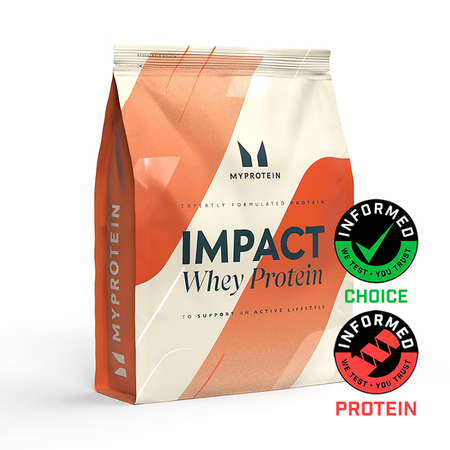
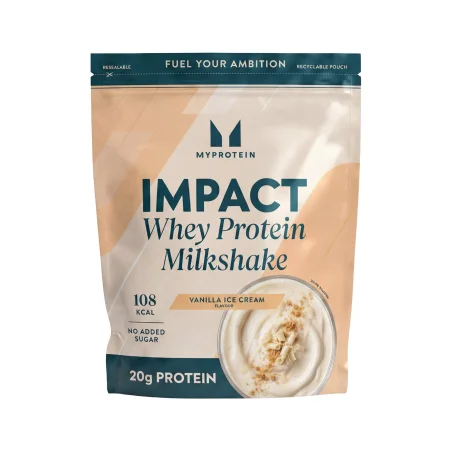
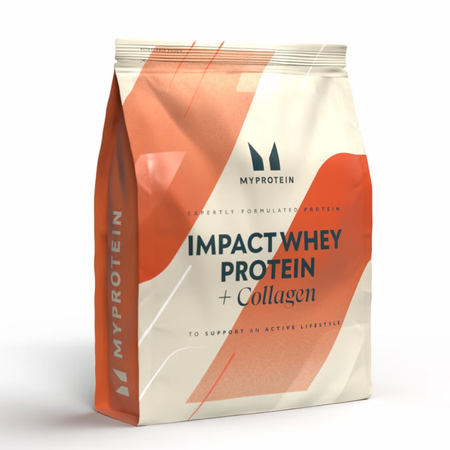
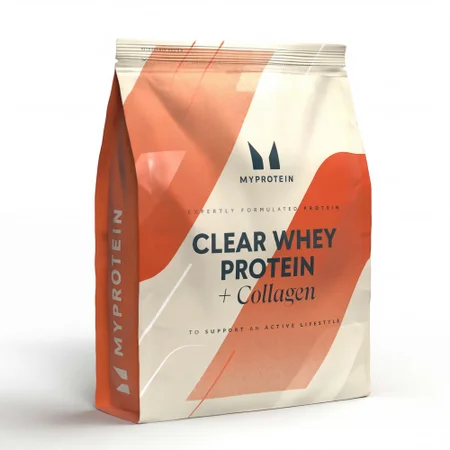
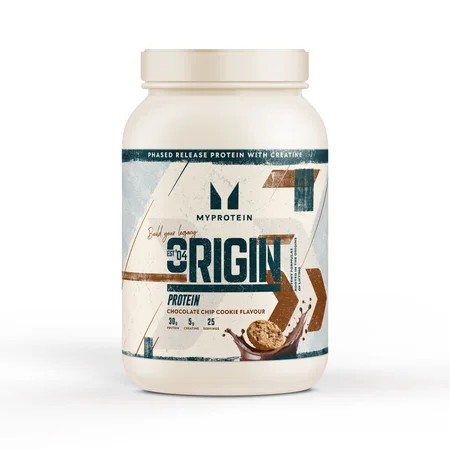
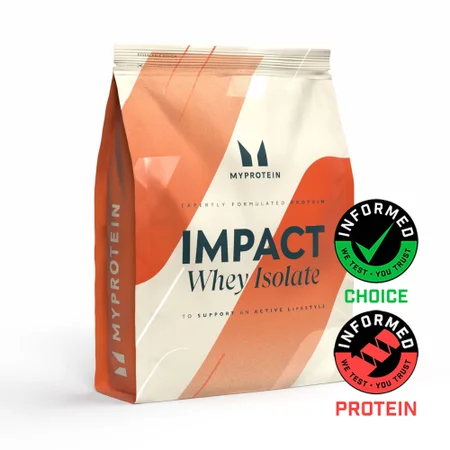
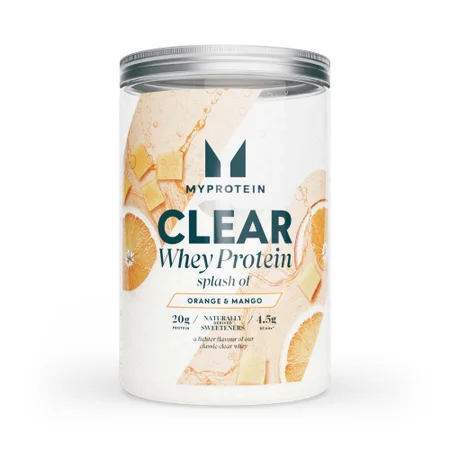
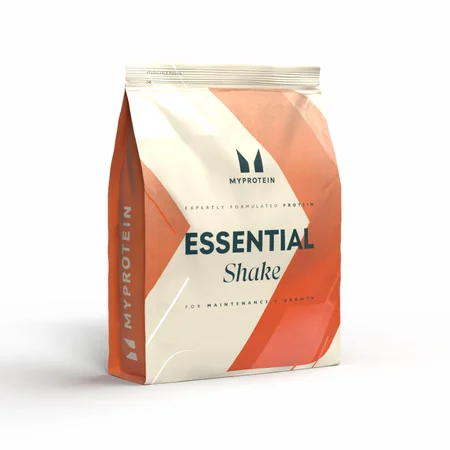
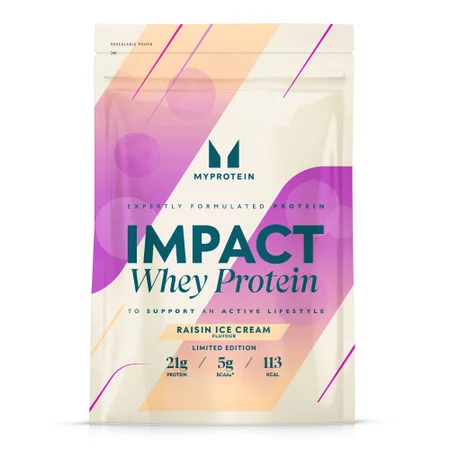
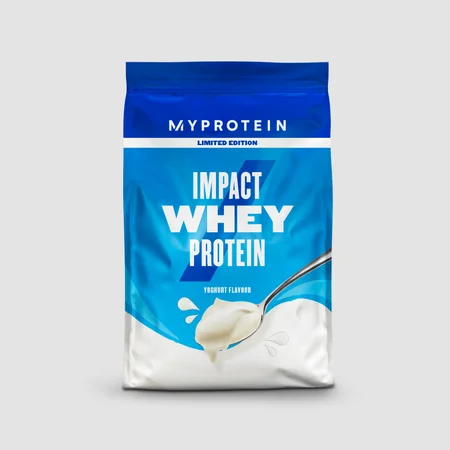
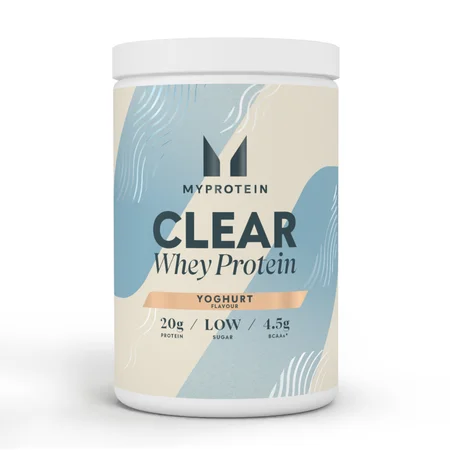
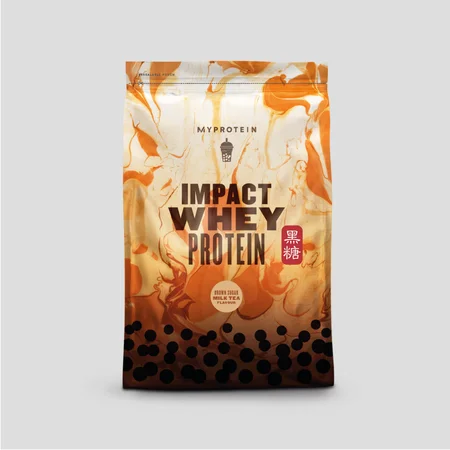
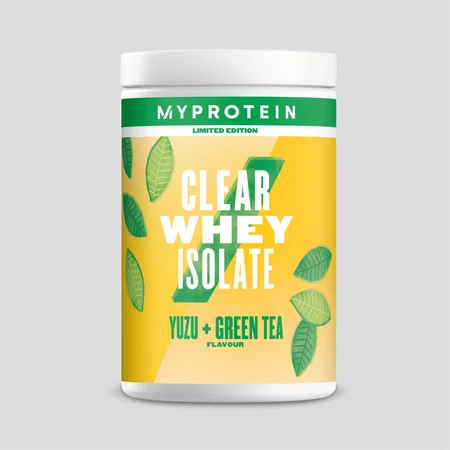
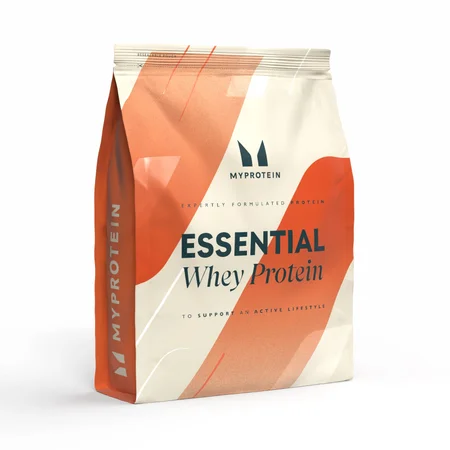
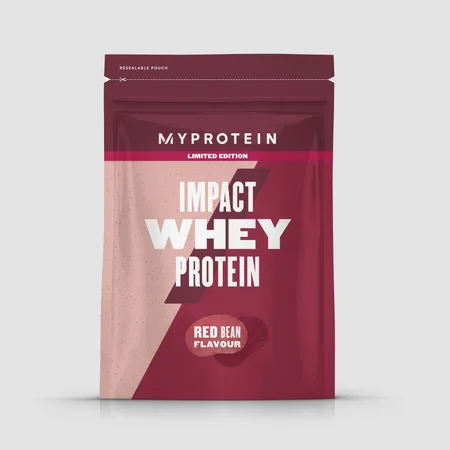
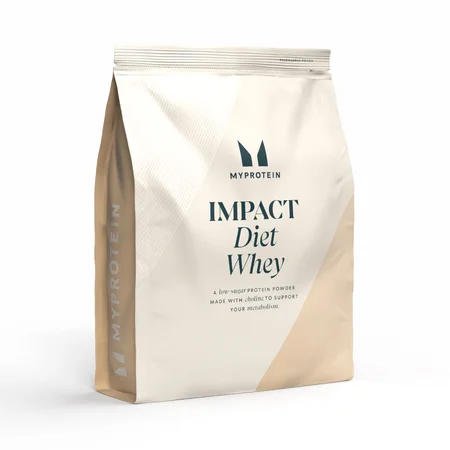
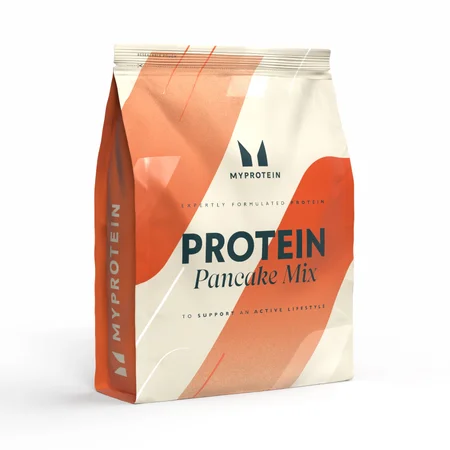
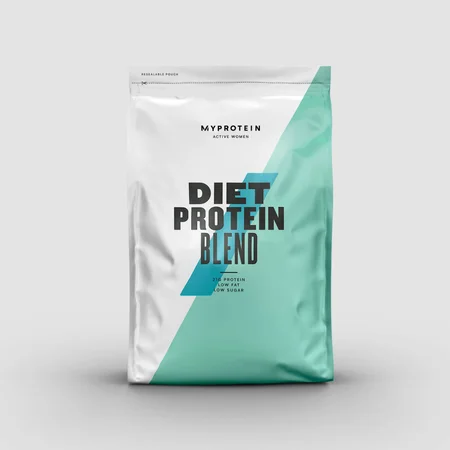
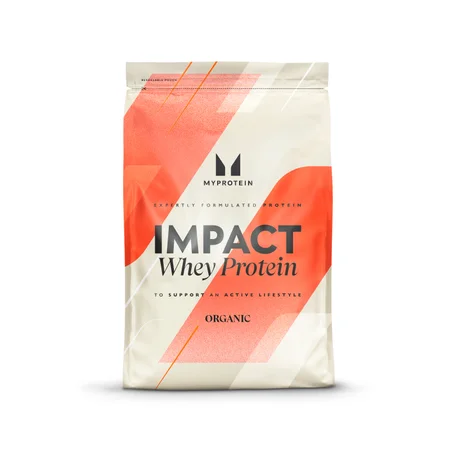
Shop Whey Protein at Myprotein
Whey protein stands as one of the most widely used supplements in sports nutrition. Derived from milk during cheese production, it provides a complete amino acid profile that includes all nine essential amino acids your body can't produce on its own.
Available in various formats from concentrates to isolates, whey protein fits seamlessly into different nutritional approaches. Whether you're training for strength, endurance, or general fitness, there's a whey protein formulation designed to match your preferences and goals.
Who Whey Protein Is For
Anyone looking to increase their daily protein intake can benefit from whey protein supplements. From gym-goers tracking their macros to busy professionals seeking convenient nutrition, whey protein offers a practical solution for meeting protein requirements.
Athletes across all disciplines use whey protein as part of their nutrition strategy. The convenience of mixing a shake post-workout or between meals makes it particularly popular among those with demanding training schedules and limited time for meal preparation.
When to Use Whey Protein
Many people consume whey protein immediately after training sessions, though it works equally well at any time of day when you need to boost your protein intake. The quick-mixing nature of whey powder makes it ideal for those moments when preparing a full meal isn't practical.
Some prefer taking whey protein first thing in the morning to kickstart their daily nutrition, whilst others use it as a convenient snack between meals. The timing ultimately depends on your personal schedule and when you find it most useful to supplement your regular food intake.
Whey Protein Benefits
Supports Muscle Mass
Protein contributes to the growth and maintenance of muscle mass1. Whey protein delivers this essential macronutrient in a concentrated, easily digestible form that your body can utilise efficiently.
Complete Amino Acid Profile
Whey protein contains all nine essential amino acids, including branched-chain amino acids (BCAAs) like leucine, isoleucine, and valine. This complete profile makes it a comprehensive protein source for anyone looking to supplement their diet.
Versatile and Convenient
From classic chocolate and vanilla to more adventurous flavours, whey protein mixes easily with water or milk. You can also blend it into smoothies, stir it into porridge, or use it in protein-packed recipes like pancakes and energy balls.
Multiple Formulations Available
Whether you choose whey concentrate for a cost-effective option, whey isolate for higher protein content per serving, or clear whey for a lighter, juice-like experience, there's a formulation to suit your preferences and nutritional needs.
Popular Picks
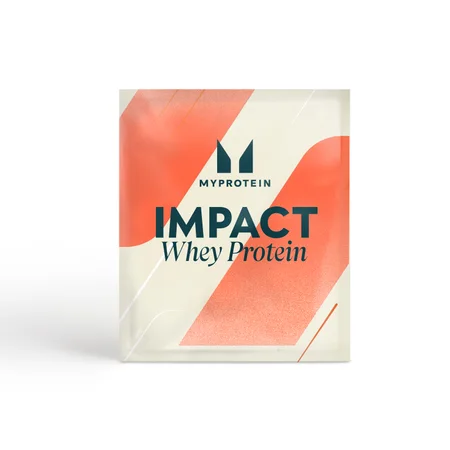
Looking for tried-and-tested options? Impact Whey Protein Powder provides 23g of protein with minimal fat and carbohydrates. The additional filtration process makes it suitable for those monitoring their overall calorie intake more closely.
FAQs
What exactly is whey protein?
Whey protein is a complete protein extracted from milk during the cheese-making process. When milk separates into curds and liquid, the liquid portion contains whey, which is then filtered and dried into powder form. It includes all nine essential amino acids that your body needs but cannot produce independently.
What's the difference between whey protein concentrate and whey protein isolate?
Whey protein concentrate typically contains 70-80% protein by weight, with the remainder comprising small amounts of fat and carbohydrates including lactose. Whey protein isolate undergoes additional processing to remove more fat and lactose, resulting in a product that's usually 90% protein or higher.
Isolate tends to cost more due to the extra filtration required, but it provides more protein per serving with fewer calories. Concentrate offers better value whilst still delivering quality protein, making it popular among those who aren't concerned about the small amounts of additional carbs and fats.
How much whey protein should I take daily?
The amount varies based on your overall diet, training intensity, and personal goals. Most people use one to three servings daily to supplement their food intake, with each serving typically providing 20-25g of protein.
Your total daily protein requirement depends on factors like body weight, activity level, and training objectives. Whey protein simply provides a convenient way to help meet those requirements when whole food sources aren't practical or available.
Can I use whey protein if I'm lactose sensitive?
Whey protein isolate contains minimal lactose due to the additional filtration process, making it suitable for many people with lactose sensitivity. Clear whey protein also tends to be lower in lactose compared to standard concentrates.
However, individual tolerance varies considerably. If you have significant lactose intolerance, you might prefer to explore plant-based protein alternatives or consult with a healthcare professional about which protein source best suits your digestive comfort.
When's the best time to take whey protein?
There's no single "best" time that applies universally. Many people consume whey protein after training sessions for convenience, whilst others prefer it at breakfast or as a snack between meals. The most important factor is meeting your daily protein target, regardless of specific timing.
Choose times that fit naturally into your routine and help you reach your nutritional goals consistently. If you're training intensively, spreading protein intake throughout the day often proves more practical than concentrating it all in one or two meals.
How do I prepare whey protein?
Most people add one scoop of whey protein powder to 200-300ml of water or milk in a shaker bottle, then shake vigorously for 10-15 seconds. The powder dissolves quickly, creating a smooth shake ready to drink.
You can also blend whey protein into smoothies with fruits, vegetables, and other ingredients, or stir it into porridge, yoghurt, and pancake batter. Some people even use it in protein-enriched baking recipes for a nutritional boost.
What makes Myprotein's whey protein different?
Myprotein's whey protein range was developed by expert nutritionists who understand the importance of quality ingredients, rigorous testing, and transparent labelling. The products undergo extensive quality control processes to ensure consistency and purity.
Many Myprotein whey protein products carry Informed-Sport certification, meaning they've been tested for banned substances. This makes them suitable for athletes competing at all levels who require assurance about what they're consuming.
Can I mix different flavours of whey protein together?
Yes, you can absolutely blend different whey protein flavours to create custom combinations. Some people enjoy mixing chocolate with peanut butter, or vanilla with strawberry, to discover new taste profiles that keep their nutrition routine interesting.
Experimenting with flavour combinations also helps if you've purchased a flavour you're not entirely keen on. Mixing it with a favourite flavour can make it more enjoyable whilst ensuring you don't waste the product.
How should I store whey protein powder?
Keep your whey protein powder in its original sealed container, stored in a cool, dry place away from direct sunlight and moisture. Proper storage maintains the powder's freshness and prevents clumping.
Avoid storing protein powder in humid environments like bathrooms or near kitchen sinks. Once opened, ensure the lid is tightly sealed after each use to protect the product from environmental factors that could affect its quality and taste.
Does whey protein expire?
Yes, whey protein has a best-before date printed on the packaging, typically lasting 18-24 months from manufacture when stored properly. Whilst the protein doesn't become harmful immediately after this date, the flavour, texture, and nutritional profile may begin to deteriorate.
For optimal quality and taste, use your whey protein before the stated date. If you notice any unusual odours, discolouration, or clumping beyond normal settling, it's best to replace the product rather than risk consuming degraded powder.
1. Protein contributes to a growth in muscle mass.
2. Protein contributes to the maintenance of muscle mass.